

FAA Revises CFR Parts 61, 91, And 141 | Aero-News Network
Aero-News Network
RSS icon RSS feed
podcast icon MP3 podcast
Subscribe Aero-News e-mail Newsletter Subscribe

Airborne Unlimited -- Most Recent Daily Episodes

Episode Date

Airborne-Monday

Airborne-Tuesday

Airborne-Wednesday Airborne-Thursday

Airborne-Friday

Airborne On YouTube

Airborne-SpecialEpisode-12.15.25

AirborneNextGen-
12.16.25

Airborne-Unlimited-12.10.25

Airborne-AffordableFlyers-12.11.25

AirborneUnlimited-12.12.25

AFE 2025 LIVE MOSAIC Town Hall (Archived): www.airborne-live.net

Sat, Aug 22, 2009

FAA Revises CFR Parts 61, 91, And 141

Changes Touch Nearly Every Aspect Of Pilot Certification, Training, And Ground Operations

Extensive revisions to 102 regulations concerning training, qualification, certification, and operating requirements for pilots, flight instructors, ground instructors, and pilot schools were published Friday in the Federal Register, and nearly everyone who flies, or is considering learning to fly, is potentially affected.

"This final rule is a result of the Notice of Proposed Rulemaking (NPRM) issued in early 2007," said John D. Lynch, of FAA's Certification and General Aviation Operations Branch. "These changes have been in the works since we issued the previous final rule changes to parts 61 and 141 in August 1997."

Lynch reports the majority of the rule changes in parts 61, 91, and 141 are to "further FAA's safety mission, incorporate international flight standards, and respond to recent technological advances in aviation. Many of the changes reflect and incorporate comments and suggestions made by trade organizations, flight schools, manufacturers, individual pilots, and others." FAA received nearly 2,000 comments from across a wide range of the aviation community in response to the NPRM issued in February 2007. 

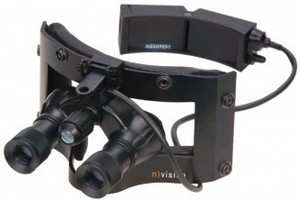
"One of the more significant changes establishes training and qualification requirements for pilots and flight instructors who use night vision goggles," Lynch said. Another significant change is clarification on the use of aviation training devices, flight training devices, and flight simulators for maintaining recent instrument experience.

In addition, the revisions address U.S. military pilots qualifying for flight instructor certificates based on their military instructors pilot qualifications as well as refines and clarifies provisions for current and former U.S. military pilots to qualify for FAA pilot certificates and ratings.

Modifications have also been made in certification requirements for Sport Pilot Certificates, Private Pilot licenses, as well as training and proficiency for instrument, commercial and transport ratings. Some aspects of issuance of medical certificates are also addressed.

The FAA says in its executive summary that it received considerable public response to the NPRM. 1,970 different comments were received from 231 commenters representing a diverse ``cross-section' of the aviation community including: Commenters who identified themselves as actively serving in the United States Armed Forces or Armed Forces Reserves; flight schools (commercial and educational), flight training facilities, or other organizations associated with flight training; aircraft manufacturers or aircraft manufacturer associations, pilot, aircraft, and helicopter owner associations; civil aviation associations; and law enforcement agencies or organizations associated with NVG operations.

The changes will go into effect October 20th. FAA says the updated regulations will be available online in "a few days".

FMI: http://frwebgate2.access.gpo.gov/cgi-bin/TEXTgate.cgi?WAISdocID=RuAi8b/0/1/0&WAISaction=retrieve

Advertisement

More News

Aero-News: Quote of the Day (12.18.25)

“These new aircraft strengthen our ability to respond quickly, train effectively and support communities nationwide. Textron Aviation has been a steadfast supporter in helpin>[...]

Classic Aero-TV: Viking Twin Otter 400--Bringing the DHC-6 Back Into Production

From 2011 (YouTube Edition): Rugged, Legendary, STOL Twin Makes A Comeback The de Havilland Twin Otter is an airplane with a long history, and it gained a reputation as a workhorse>[...]

NTSB Final Report: Rans Employee Flying Club Rans S-6ES Coyote II

A Wind Gust Lifted The Right Wing And The Airplane Turned To The Left Analysis: The pilot was departing from a 2,395-ft-long by 50-ft-wide turf runway. The pilot reported that afte>[...]

ANN FAQ: Submit a News Story!

Have A Story That NEEDS To Be Featured On Aero-News? Here’s How To Submit A Story To Our Team Some of the greatest new stories ANN has ever covered have been submitted by our>[...]

ANN's Daily Aero-Term (12.18.25): Braking Action Advisories

Braking Action Advisories When tower controllers receive runway braking action reports which include the terms “medium," “poor," or “nil," or whenever weather con>[...]

blog comments powered by Disqus



Advertisement

Advertisement

Podcasts

Advertisement

© 2007 - 2025 Web Development & Design by Pauli Systems, LC

