
Transport Canada Relaxes Rules For Recreational Drone Flying | Aero-News Network
Aero-News Network
RSS icon RSS feed
podcast icon MP3 podcast
Subscribe Aero-News e-mail Newsletter Subscribe

Airborne Unlimited -- Most Recent Daily Episodes

Episode Date

Airborne-Monday

Airborne-Tuesday

Airborne-Wednesday Airborne-Thursday

Airborne-Friday

Airborne On YouTube

Airborne-Unlimited-12.01.25

AirborneNextGen-
12.02.25

Airborne-Unlimited-11.19.25

Airborne-AffordableFlyers-11.20.25

AirborneUnlimited-11.21.25

LIVE MOSAIC Town Hall (Archived): www.airborne-live.net

Fri, Aug 04, 2017

Transport Canada Relaxes Rules For Recreational Drone Flying

Pilots Can Fly Closer To Airports, Buildings And People

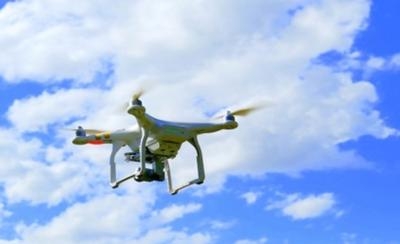
Transport Canada has relaxed its rules for hobbyists flying unmanned aircraft, but has been pretty quiet about doing so.

CTV News reports that, according to Transport Canada, the new rules were put in place July 17, but a search of their website did not turn up a news release or other announcement of the change other than a posting of the rules.

The changes apply to drones that weigh between 250 grams (approx. 9 ounces) and 35 kilograms (approx. 77 pounds being flown for recreational purposes.

According to the new rules, a hobbyist drone pilot may fly within 90 m (approx. 295 feet) above the ground or lower. The aircraft must stay:

  • at least 30 m (approx. 100 feet) away from vehicles, vessels, and the public (if your drone weighs more than 250 g up to 1 kg (approx. 2.2 pounds))
  • at least 75 m (approx. 246 feet) away from vehicles, vessels, and the public (if your drone weighs more than 1kg up to 35 kg)
  • at least 5.5 km (approx. 3.4 miles) from aerodromes (any airport, seaplane base, or areas where aircraft take-off and land)
  • at least 1.8 km (about a mile) away from heliports or aerodromes used exclusively by helicopters outside of controlled or restricted airspace
  • at least 9 km (approx. 5.6 miles) away from a natural hazard or disaster area
  • away from areas where it could interfere with police or first responders

The aircraft can be flown only during the day and not in clouds, and remain within the operator's sight at all times. It must be within 500 m (approx. 1,640 feet) of the operator or closer, and be clearly marked with the owner's name, address and telephone number.

Violators of the rules can face fines of up to $3,000 (Canadian)

(Source: Transport Canada and as cited. Image from file)

FMI: www.tc.gc.ca/media/documents/ca-opssvs/Flying_for_fun_EN-V6.pdf

Advertisement

More News

ANN's Daily Aero-Term (12.01.25): Convective SIGMET

Convective SIGMET A weather advisory concerning convective weather significant to the safety of all aircraft. Convective SIGMETs are issued for tornadoes, lines of thunderstorms, e>[...]

ANN's Daily Aero-Linx (12.01.25)

Aero Linx: United Flying Octogenarians WELCOME to a most extraordinary group of aviators, the United Flying Octogenarians (UFO). Founded in 1982 with just a handful of pilots, we h>[...]

NTSB Final Report: Remos Aircraft GmbH Remos GX

Pilot’s Decision To Attempt Takeoff With Frost Covering The Airplane’s Wings Analysis: The pilot of the light sport airplane was preparing to depart for a cross-country>[...]

Aero-News: Quote of the Day (12.02.25)

“We’ve paid for the cable line’s repair for the customer and have apologized for the inconvenience this caused them...” Source: Some followup info from an A>[...]

ANN's Daily Aero-Term (12.02.25): Coupled Approach

Coupled Approach An instrument approach performed by the aircraft autopilot, and/or visually depicted on the flight director, which is receiving position information and/or steerin>[...]

blog comments powered by Disqus



Advertisement

Advertisement

Podcasts

Advertisement

© 2007 - 2025 Web Development & Design by Pauli Systems, LC

