Sat, Mar 16, 2024
"Discretionary Enforcement" Goes Away on March 16th
The FAA's policy to exercise discretion in prosecuting those who fall afoul of UAV Remote ID Rule is coming to a close, ending the grace period allotted to the industry.
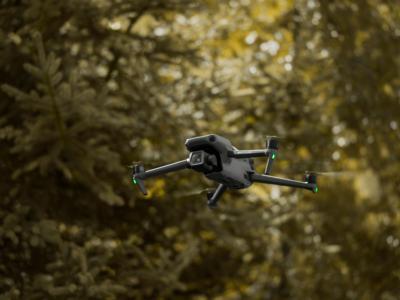
The FAA expected compliance with the rule after September of 2023, but said that it would “consider all factors in determining whether to take enforcement action” given the limited availability of broadcast modules. The regulator had given UAV pilots until March 16th to bring their aircraft into compliance, but now they'll have to play by big-boy rules. Remote ID requires one of three compliance methods, whether that's the purchase of a UAV with a factory-equipped ID broadcasting system, a separate broadcaster to retrofit, or to operate in an FAA-Recognized Identification Area. Such "FRIA" zones are essentially amnesty areas set apart for Remote-ID-less UAV operations. From now on, non-compliant operators can face fines and suspension, even revocation of their drone pilot certificates. Municipal and state public safety officials can visit the FAA’s compliance program and are encouraged to check with FAA guidance to ensure compliance too.
Remote ID applies to "drones which are required to be registered or have been registered with the FAA, including those flown for recreation, business, or public safety, and drones that are foreign-registered". The intent is to provide just a little more heads-up to everyone operating in US airspace, particularly those in low-altitude airspace prone to VFR operations. ADS-B has given many pilots and operators a sort of pseudo-TAWS, but that system is only as functional as the overall level of registration allows it to be. The FAA says that it's not just about the safety enhancement, either, since "Remote ID also helps to lay the foundation for routine advanced operations such as package delivery and flying beyond visual line of sight."
For those who think they're already in compliance, a quick check of the Public DOC List could help prevent future problems. The FAA stressed that even if a product is advertised as “Remote ID ready” or similar verbiage, only drones or broadcast modules actually listed on the FAA DOC are in compliance with the rule. Remote ID serial numbers must be updated via FAADroneZone, too. Part 107 pilots have to register each aircraft individually.
More News
Light Gun A handheld directional light signaling device which emits a brilliant narrow beam of white, green, or red light as selected by the tower controller. The color and type of>[...]
“We have performed extensive ground testing by comparing warm up times, full power tethered pulls, and overall temperatures in 100 degree environments against other aircraft >[...]
While Taxiing To Parking The Right Landing Gear Leg Collapsed, Resulting In Substantial Damage Analysis: The pilot made a normal approach with full flaps and landed on the runway. >[...]
From 2014 (YouTube Edition): Exotic Rebuild Reveals Aerial Work Of Art During EAA AirVenture 2014, ANN's Michael Maya Charles took the time to get a history lesson about a great ai>[...]
Also: Project Talon, McFarlane Acquisition, Sky-Tec Service, JPL Earth Helo Tests Bombardier has earned a round of applause from the business aviation community, celebrating the fo>[...]



 ANN's Daily Aero-Term (12.13.25): Light Gun


 See All