Wed, Nov 24, 2004
Uses Federal Grant To Buy Three FTDs
Daniel Webster College
(DWC) is moving forward with a major curriculum renewal effort
throughout its aviation division. This process has been made
possible, in part, by receipt of a $1 million Congressionally
designated grant obtained through the efforts of Sen. Judd Gregg
(R-NH) and the support of the entire New Hampshire Congressional
delegation.
The process was further driven by the college's decision to
ground the fleet of CAP10s and to sell the Cessna Crusaders; lack
of reliability led the college to ground the CAP10 fleet in the
winter of 2004. These decisions, coupled with the grant, created
the need and opportunity re-imagine the flight program and
re-design it for the 21st century.
"As we move forward, the college seeks to build on the strong
foundation of leadership it demonstrated during the last two
decades of the 20th century, and continue to maintain a leadership
position with the finest aviation programs for students graduating
into 21st century aviation industry jobs," said Phil Poynor, chair
of the aviation division.
A number of exciting additions to the college's aviation
infrastructure have already occurred and many more are expected to
be put into place over the next eight months.
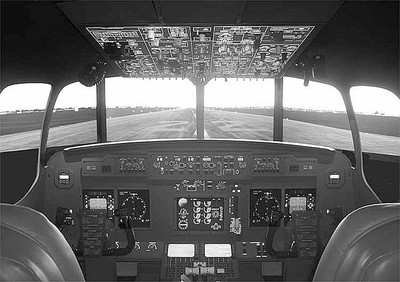
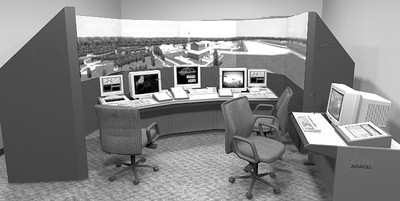
In flight operations, the college has purchased three Elite
iGate digital flight training devices (FTDs). These devices are
reconfigurable and interchangeable as a Cessna C-172, Piper Arrow
or Piper Seneca and are used in all of the college's single engine,
multi-engine and crew courses. The first two iGates arrived in
Nashua in January 2004, and the third will be in place in early
December 2004. These are a new class of FTD approved by FAA,
advanced aviation training devices, and they feature advanced
avionics and visual systems that approach some full-flight
simulation equipment in richness of detail. Since the iGates are
all computer-generated, they are far more reliable than previous
mechanical flight training devices and allow much higher schedule
reliability than previously possible.
DWC expects to roll out the new flight curriculum by the fall of
2005, with the MBA added in the winter or fall of 2006, and
enhancements to air traffic and aviation management programs added
throughout the period. During the coming months the College
will consider a variety of changes to the program to maximize its
effectiveness while maintaining its affordability and improving
deliverability.
More News
From 2023 (YouTube Edition): "Ain’t Your Daddy’s Super Cub”—Don Wade Co-owned by Don and Ron Wade—the former of Don’s Dream Machines, a storied >[...]
Pilot-Rated Passenger Reported That The Pilot Did Not Adequately “Round Out” The Landing Flare And The Airplane Bounced And Yawed To The Right Analysis: The pilot state>[...]
Dead Reckoning Dead reckoning, as applied to flying, is the navigation of an airplane solely by means of computations based on airspeed, course, heading, wind direction, and speed,>[...]
Aero Linx: Lake Amphibian Club This website is created and sponsored by the Lake Amphibian Club, to help spread the word about these wonderful, versatile amphibians that can land j>[...]
“I am deeply honored to be sworn in as NASA administrator. NASA’s mission is as imperative and urgent as ever — to push the boundaries of human exploration, ignit>[...]



 Classic Aero-TV: In Praise of Alabamas Patriot Aircraft USA


 See All