

FAA Issues AD NPRM For Some TCAS Units | Aero-News Network
Aero-News Network
RSS icon RSS feed
podcast icon MP3 podcast
Subscribe Aero-News e-mail Newsletter Subscribe

Airborne Unlimited -- Most Recent Daily Episodes

Episode Date

Airborne-Monday

Airborne-Tuesday

Airborne-Wednesday Airborne-Thursday

Airborne-Friday

Airborne On YouTube

Airborne-Unlimited-11.24.25

AirborneNextGen-
11.18.25

Airborne-Unlimited-11.19.25

Airborne-AffordableFlyers-11.20.25

AirborneUnlimited-11.21.25

LIVE MOSAIC Town Hall (Archived): www.airborne-live.net

Thu, Dec 30, 2010

FAA Issues AD NPRM For Some TCAS Units

Systems Covered By The Proposed AD Manufactured By L-3 Subsidiary ACSS

A software glitch in some Aviation Communications & Surveillance Systems (ACSS) TCAS units has prompted the FAA to issue an NPRM for an AD on the units. The FAA published the NPRM in the Federal Register Monday.

The agency is proposing to adopt a new AD for various aircraft equipped with certain ACSS TCAS units. This proposed AD would require upgrading software. This proposed AD results from reports of anomalies with TCAS units during a flight test over a high density airport. The TCAS units dropped several reduced surveillance aircraft tracks because of interference limiting. The AD is proposed in an effort to prevent TCAS units from dropping tracks, which could compromise separation of air traffic and lead to subsequent mid-air collisions.

The FAA says the NPRM is the result of reports of anomalies with the Aviation Communication & Surveillance Systems (ACSS) Traffic Alert and Collision Avoidance System (TCAS) units during a flight test over a high density airport. The TCAS units dropped several reduced surveillance aircraft tracks because of interference limiting. When the TCAS unit interrogated aircraft in a high density airport area, some of the targets disappeared from the cockpit display or were not recognized. One occurrence of dropped tracks occurred for 30 to 40 seconds of a 90 minute flight segment. This condition, if not corrected, could lead to possible loss of separation of air traffic and possible mid-air collision.


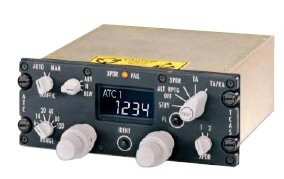
ACSS TCAS Control Unit

After evaluation of all relevant information and determined the unsafe condition described previously is likely to exist or develop in other products of these same type designs. This proposed AD would require accomplishing the actions specified in the service information described previously.

The deadline for comments is February 11, 2011. The compliance period for the AD is 48 months from issuance.

FMI: www.regulations.gov/#!documentDetail;D=FAA-2010-1204-0001, www.faa.gov

Advertisement

More News

Classic Aero-TV: Extra; the Airplane, the Man, and His Grand DeLand Plan

From 2023 (YouTube Edition): Germany’s Best by Way of Florida Established in 1980 by German aerobatic pilot Walter Extra as a means by which to design and develop his own air>[...]

ANN FAQ: Follow Us On Instagram!

Get The Latest in Aviation News NOW on Instagram Are you on Instagram yet? It's been around for a few years, quietly picking up traction mostly thanks to everybody's new obsession >[...]

Aero-News: Quote of the Day (11.27.25)

“Achieving PMA for the S-1200 Series magnetos is another step in expanding our commitment to providing the aviation community with the most trusted and durable ‘firewal>[...]

ANN's Daily Aero-Term (11.27.25): Ultralight Vehicle

Ultralight Vehicle A single-occupant aeronautical vehicle operated for sport or recreational purposes which does not require FAA registration, an airworthiness certificate, or pilo>[...]

ANN's Daily Aero-Linx (11.27.25)

Aero Linx: The de Havilland Moth Club Ltd The de Havilland Moth Club evolved from a belief that an association of owners and operators of Moth aeroplanes should be formed to create>[...]

blog comments powered by Disqus



Advertisement

Advertisement

Podcasts

Advertisement

© 2007 - 2025 Web Development & Design by Pauli Systems, LC

