Wed, Jul 15, 2009
Optimum Profile Descents Allow For Lower Power Levels
 A generation’s worth of gains in aerodynamics and
aircraft engine technology has dramatically reduced the number of
people exposed to high noise levels near U.S. airports, but future
noise reductions will depend largely on advances being developed
through the Next Generation Air Transportation System
(NextGen).
A generation’s worth of gains in aerodynamics and
aircraft engine technology has dramatically reduced the number of
people exposed to high noise levels near U.S. airports, but future
noise reductions will depend largely on advances being developed
through the Next Generation Air Transportation System
(NextGen).
In the late 1970s, noise from aircraft affected about 7 million
people. That number has dropped to fewer than 500,000, according to
the FAA’s Office of Environment, Noise Division, which tracks
the agency’s progress on noise-reduction targets.
The assessment is based on computing the areas surrounding U.S.
airports that are exposed, over 24 hours, to an average noise level
of 65 decibels or more — at or above the level of normal
conversation. The computation takes into account the number of
takeoffs and landings, the noise level of each, and whether the
activity took place during the daytime or at night.
Since the late 1960s and the advent of aircraft engines with
higher bypass ratios — which increase the percentage of air
that goes through an engine but not through its combustor —
aircraft noise levels have dropped 20 decibels. That translates
into making only one-fourth as much noise as they did 50 years
ago.
Although the impact of noise is at a minimum, the FAA predicts
that it will start to increase again soon and continue climbing.
Why? Aviation forecasts see continuing growth in traffic in the
years ahead. More traffic means more noise. Unless flight
operations can be made even more quiet than they are now, noise
exposure will increase.
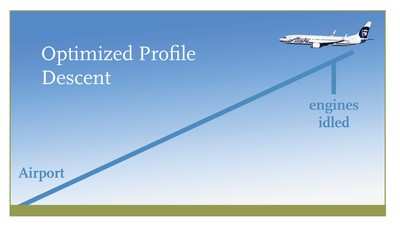
The Noise Division continues to investigate ways to keep
aviation quiet, notably through the CLEEN (Continuous Lower Energy
Emissions and Noise) program, which provides incentives for
manufacturers to develop lower-noise aircraft. NextGen initiatives
being fielded now offer additional gains. New Optimum Profile
Descents (OPDs) enable pilots to reduce power, nearly to a glide,
as they land their aircraft. This eliminates the noise from
throttling the engines during step-down approaches near the
airport. Additionally, Required Navigation Performance allows
pilots flying OPDs to maneuver in areas around the airports to
avoid congested housing areas on the ground.
More News
Aero Linx: Commercial Aviation Safety Team (CAST) Founded in 1997, the Commercial Aviation Safety Team (USCAST) has developed an integrated, data-driven strategy to reduce the comm>[...]
Land And Hold Short Operations Operations that include simultaneous takeoffs and landings and/or simultaneous landings when a landing aircraft is able and is instructed by the cont>[...]
We're Everywhere... Thanks To You! Even with the vast resources and incredibly far-reaching scope of the Aero-News Network, every now and then a story that should be reported on sl>[...]
Pilot’s Inadvertent Use Of The Landing Gear Control Handle Instead Of The Flaps Selector Switch During The Landing Rollout Analysis: The pilot reported that during the landin>[...]
Also: Cosmonaut Kicked Out, Airbus Scales Back, AF Silver Star, Russian A-60 Clobbered A Samaritan’s Purse humanitarian flight was hijacked on Tuesday, December 2, while atte>[...]



 ANN's Daily Aero-Linx (12.12.25)


 See All