ANN Analysis — A Safety System Hijacked for Profit, and a Community That’s Had Enough
The Affordable Flying Expo didn’t just showcase new aircraft and ideas — it exposed a brewing aviation scandal that is rapidly turning into a flashpoint for general aviators across the country.
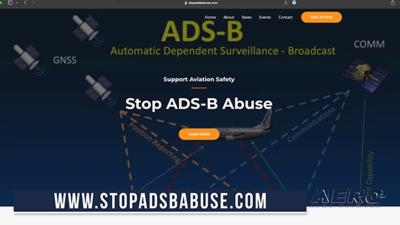
Knowledgeable pilots arrived angry, and for good reason: ADS-B, the system the FAA swore would never be used for enforcement or billing, is now being weaponized as a cash register.
Florida is the latest and loudest battleground. Kissimmee Gateway Airport (KISM) has teamed with Vector Solutions, a company that pitches airports on a no-effort way to make money off the backs of aircraft owners. They capture publicly broadcast ADS-B data, match it to tail numbers, count landings, and send invoices — all without a single conversation, notification, warning, or handshake. Pilots simply receive a bill in the mail long after the fact, often without even knowing the airport was tracking them.
Kissimmee’s fee scheme is simple: three dollars per thousand pounds of MTOW for every landing after the first one. For a Cessna 172, that’s nearly nine dollars per lap. A handful of touch-and-goes can balloon into an eighty-dollar bill — a nasty surprise for flight schools, renters, and anyone who dared use a publicly funded airport for the purpose it was built for. Instructors are discovering fees only after rental companies get stuck with unexpected month-end invoices.
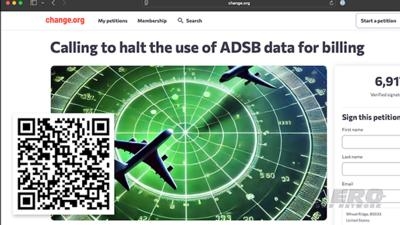
This is not what ADS-B was built for. It was sold — aggressively — as a safety tool, a collision-avoidance enhancement, and a system designed to save lives. It was never marketed as a billing engine. Yet here we are: taxpayer-funded airports using a federally mandated safety system to extract new revenue streams from the very pilots who funded the infrastructure in the first place.
And pilots are responding the only way they can: they are avoiding Kissimmee entirely. But avoidance has consequences. Traffic is now shifting to surrounding airports, clogging patterns and creating operational burdens for facilities that had nothing to do with the scheme. Kissimmee profits while its neighbors absorb the chaos.
The good news came from StopADSBAbuse.com, whose representatives arrived at AFE25 with something pilots desperately needed — momentum. On the morning of the event, Florida legislators introduced Senate Bill 422 and House Bill 387, both intended to slam the brakes on ADS-B monetization. If passed, these bills would forbid airports and third-party contractors from using ADS-B data as a basis for landing-fee billing. For the first time, pilots are seeing lawmakers step into the ring.

But the fight has only begun. The implications extend far beyond Kissimmee. If one airport can use ADS-B as a billing tool, others will follow. If landing fees can be automated, airspace fees are suddenly no longer hypothetical. If ADS-B is commercialized, participation will drop — and the very safety ADS-B was meant to provide will evaporate.
This is a test case. If ADS-B abuse is allowed to take root in Florida, it will spread, and it will spread quickly. If pilots stop this here, they might stop it everywhere.
For now, the aviation community is attempting to draw its line in the sand. ADS-B belongs to safety — not to airport accountants.



 Aero-FAQ: Dave Juwel's Aviation Marketing Stories -- ITBOA BNITBOB


 See All