Sat, Feb 19, 2022
Boeing Not Anticipated to Be Allowed to Self-Certify New Production Aircraft
Boeing's production woes have continued, as the FAA said the company will not be allowed to self-certify new 787 Dreamliners. Outgoing FAA administrator Steve Dickson said the agency needs to see "a systemic fix to their production processes,” he said in reference to the issue. “They've got to produce the quality on their production line that we're looking for and that they've committed to."
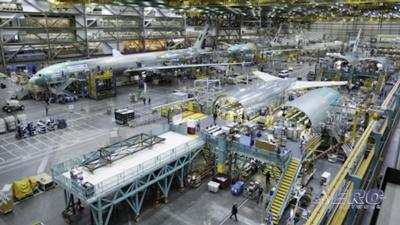
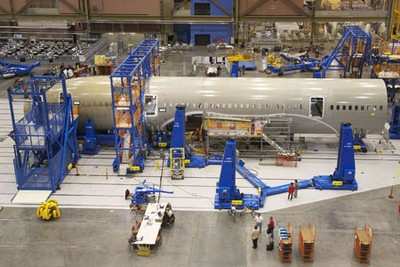
Problems with the manufacture of the aircraft have plagued it for months, since deliveries were suspended in May after regulators became wary of proposed inspection methods. With a not-insignificant portion of the FAA’s name on the line, their caution makes sense, and keeping Boeing on a short leash is an easy way to guard themselves from allegations of going easy on them. The FAA said that once deliveries resume, it would be the one to perform final inspections and retain power to clear a new aircraft for delivery until FAA inspectors are positive it meets quality control standards. The most recent stop was the result of unacceptable panel gaps in the various fuselage connections, no small issue when the aircraft relies so heavily on composites to be securely joined. The agency added that the company must create a plan for handling those that are returned for reworking.
The move breaks from years of tradition that came under intense scrutiny following the fiasco of the 737 Max, where Boeing employees were effectively deputized with the blessing of the FAA to act as inspectors on the company’s own aircraft. While the move got them off of the government payroll, it also put them under Boeing's purview, with all the conflicts of interest that could conceivably entail.
The administration's near cluelessness about the flight control and MCAS systems on the Max after 2 fatal accidents revealed that while convenient, the inspection system was not as effective as it was hoped to be. Emails and conversations dug up through the investigation revealed layers of obfuscation and pressures to accelerate approval that would not have occurred had many of the inspection personnel been retained by the FAA.
The last delivery in May 2021, before they were paused, has left Boeing with more than 100 aircraft waiting to be approved, with no prospective date for eventual release. The company has essentially tiptoed around the issue, possibly out of a wariness towards exerting undue pressure for FAA recertification. By all appearances, the agency is content to take as much time as it needs, taking a more cautious stance now that its role has grown to a higher-profile stamp of approval.
More News
From 2023 (YouTube Edition): "Ain’t Your Daddy’s Super Cub”—Don Wade Co-owned by Don and Ron Wade—the former of Don’s Dream Machines, a storied >[...]
Pilot-Rated Passenger Reported That The Pilot Did Not Adequately “Round Out” The Landing Flare And The Airplane Bounced And Yawed To The Right Analysis: The pilot state>[...]
Dead Reckoning Dead reckoning, as applied to flying, is the navigation of an airplane solely by means of computations based on airspeed, course, heading, wind direction, and speed,>[...]
Aero Linx: Lake Amphibian Club This website is created and sponsored by the Lake Amphibian Club, to help spread the word about these wonderful, versatile amphibians that can land j>[...]
“I am deeply honored to be sworn in as NASA administrator. NASA’s mission is as imperative and urgent as ever — to push the boundaries of human exploration, ignit>[...]



 Classic Aero-TV: In Praise of Alabamas Patriot Aircraft USA


 See All