Wed, Nov 03, 2021
Commercial Hot-Air Balloon Pilots to Require Medical
The FAA has proposed a rule requiring commercial hot-air-balloon pilots to hold a medical certificate when operating for hire.
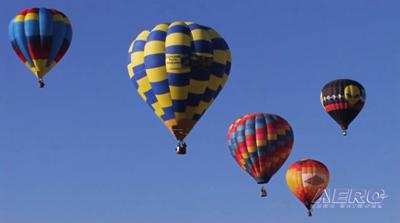
Similar to other commercial pilots, they would need a second-class medical certificate. Under current regulations, lighter-than-air aircraft pilots do not require the same medical certification process that others do, only required to affirm that they have no medical defect that would make them unable to pilot a free balloon.
“Balloon pilots are responsible for the safety of their passengers," FAA Administrator Steve Dickson said. “This proposed rule would ensure that balloon pilots meet the same medical requirements as pilots of other commercial aircraft.”
This falls in line with agency actions to increase the margin of safety across the general aviation sphere, as announced following a 2016 fatal balloon accident that caused 16 fatalities. The FAA developed an accreditation program working with the Balloon Federation of America, the Envelope of Safety. The BFA program helps prospective customers select a ride company or pilot that has been proven to voluntarily maintain higher safety standards.
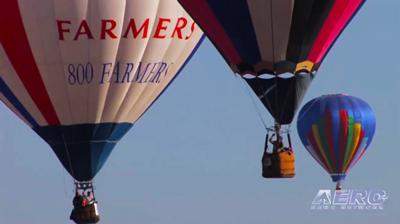
Operators that opt-in increase their safety by implementing drug testing, continuing education requirements, membership in the FAA WINGS program, and required minimums for experience. Once in the program, balloon operators can choose between 3 levels of safety accreditation, Silver, Gold, or Platinum. The tiered structure is designed with different size companies targeted, with increasing levels bringing more stringent requirements, like aircraft and commercial insurance, hosting a forum for customer ratings, storing passenger liability waivers, and developing written crew policies.
The FAA will publish the new draft rule in the Federal Register in November 2021, and the public will then have 60 days to provide comments. After the period closes, the FAA will review all concerns before finalizing the final rule.
More News
Waypoint A predetermined geographical position used for route/instrument approach definition, progress reports, published VFR routes, visual reporting points or points for transiti>[...]
Aero Linx: Sentimental Journey to Cub Haven Sentimental Journey Flyin began in 1986 with a group of dedicated volunteers working to provide a sentimental return to Lock Haven, the >[...]
The Pilot Would Often Fly Over Their House At A Low Altitude And That Family Members Would Go Outside To Wave On November 14, 2025, at 1708 eastern standard time, a Jabiru USA Spor>[...]
From 2024 (YouTube Edition): Volatus Infrastructure Paves The Way The name “Volatus” seems to be everywhere these days, popping up in a series of partnerships and proje>[...]
Fortnite Conquers All, Klyde FMI: www.klydemorris.com>[...]



 ANN's Daily Aero-Term (11.29.25): Waypoint


 See All