Sat, Apr 02, 2011
Concorde Device Mates With MS3509 Receptacle
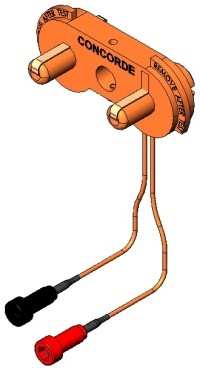
Concorde Battery Corporation has released a new Parasitic Load
Tester (PLT) to measure the parasitic load / drain on aircraft
batteries when the master switch is off and the aircraft is
inactive. The tester is designed to mate with a MS3509 style quick
disconnect receptacle. This innovative PLT was conceived and
engineered in response to concerns in the aviation community about
the effect of parasitic loads / drains on battery capacity, state
of charge, airworthiness and battery life.
A parasitic load is a small, continuous flow of DC current that
takes power from the battery when the master switch is off.
Parasitic loads are present in most modern aircraft to some degree.
Examples of parasitic loads are relays, clocks, radios and on board
computers. Depending on the magnitude of the parasitic load, the
battery in an inactive aircraft may be depleted within weeks or
even days. A battery discharged in this manner can cause an
AOG event. Another inherent danger is that a battery without enough
emergency power reserve can often still start the engine(s),
leaving you vulnerable in the case of a generator failure. The FAA
requires aircraft batteries to be certified with a minimum of 80%
capacity for emergency power reserve in the event of an electrical
generating system failure.
Repetitive deep discharges from parasitic drain will shorten the
battery life and batteries deeply discharged in this manner may not
be recoverable. If authorized by the aircraft manufacturer,
disconnecting the battery from the battery plug when the aircraft
is stored will eliminate the parasitic load.

Measuring parasitic load is easy to do by connecting the PLT
between the battery receptacle and the aircraft mating plug. The
PLT is a molded polypropylene body equipped with separate test
leads for connection to a digital multimeter (DMM). Concorde PLT
part number 4102, is rated for loads up to 10 amperes and is
equipped with a 10 amp fuse.
More News
Waypoint A predetermined geographical position used for route/instrument approach definition, progress reports, published VFR routes, visual reporting points or points for transiti>[...]
Aero Linx: Sentimental Journey to Cub Haven Sentimental Journey Flyin began in 1986 with a group of dedicated volunteers working to provide a sentimental return to Lock Haven, the >[...]
The Pilot Would Often Fly Over Their House At A Low Altitude And That Family Members Would Go Outside To Wave On November 14, 2025, at 1708 eastern standard time, a Jabiru USA Spor>[...]
From 2024 (YouTube Edition): Volatus Infrastructure Paves The Way The name “Volatus” seems to be everywhere these days, popping up in a series of partnerships and proje>[...]
Fortnite Conquers All, Klyde FMI: www.klydemorris.com>[...]



 ANN's Daily Aero-Term (11.29.25): Waypoint


 See All