Wed, Jul 17, 2024
20 Satellites Left to Burn up in Reentry Thanks to 2nd Stage Leak
The FAA has grounded the SpaceX Falcon 9 fleet after a launch last week inadvertently deployed a handful of Starlink satellites into an unintended, eccentric orbit.
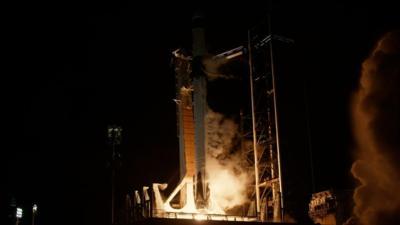
The FAA said it was investigating what happened alongside SpaceX, and that any final report will be approved by the administration. For now, the grounding may end up putting off a handful of other missions, like upcoming Starlink missions scheduled to put more satellites into their orbital internet constellation. The Polaris Dawn mission may end up postponed too, which is on tap to provide a milestone for commercial space exploration once Commander Jared Isaacman leads the first non-governmental EVA mission. That was slated to launch before July 31st under original plans.
SpaceX was quick to speak on exactly what caused the problem, stating that the failed SpaceX 9-3 mission performed admirably aside from a malfunction in the second stage.
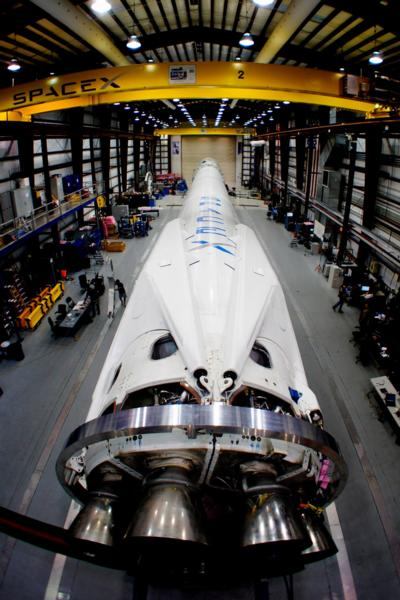
The Falcon 9's first stage returned to earth for a successful droneship landing, making for the 329th recovery of an orbital rocket. The second stage suffered a liquid oxygen leak after its first burn. Control decided to raise the orbital height of the stage by relighting the engines, but the "Merlin Vacuum engine experienced an anomaly and was unable to complete its second burn." The second stage survived and deployed its satellites still, but since it failed to hit the proper orbital track, twenty SpaceX satellites were left in an eccentric orbit about half as high up as they'd need to be for continued survival.
After a few attempts to make contact with the satellites (working overnight for the poor SpaceX control room), the "high-drag environment only 135 km above the Earth" got the better of them. Each pass around the globe brought the cluster 5 km closer to Earth, adding additional drag on top of the gravitational pull the satellites suffered at such a low altitude. In the end, SpaceX found that even "maximum available thrust is unlikely to be enough to successfully raise the satellites." That's no big deal for Earthbound space enjoyers, aside from the potential for some pretty lights as the satellites burn up in their descent back to earth.
SpaceX seems pretty optimistic that they'll get right back in the swing of things in no time, giving the impression that they probably have a pretty good idea of what happened and how to prevent it going forward. "SpaceX will perform a full investigation in coordination with the FAA, determine root cause, and make corrective actions to ensure the success of future missions. With a robust satellite and rocket production capability, and a high launch cadence, we’re positioned to rapidly recover and continue our pace as the world’s most active launch services provider."
More News
Light Gun A handheld directional light signaling device which emits a brilliant narrow beam of white, green, or red light as selected by the tower controller. The color and type of>[...]
“We have performed extensive ground testing by comparing warm up times, full power tethered pulls, and overall temperatures in 100 degree environments against other aircraft >[...]
While Taxiing To Parking The Right Landing Gear Leg Collapsed, Resulting In Substantial Damage Analysis: The pilot made a normal approach with full flaps and landed on the runway. >[...]
From 2014 (YouTube Edition): Exotic Rebuild Reveals Aerial Work Of Art During EAA AirVenture 2014, ANN's Michael Maya Charles took the time to get a history lesson about a great ai>[...]
Also: Project Talon, McFarlane Acquisition, Sky-Tec Service, JPL Earth Helo Tests Bombardier has earned a round of applause from the business aviation community, celebrating the fo>[...]



 ANN's Daily Aero-Term (12.13.25): Light Gun


 See All