Mon, Jul 01, 2013
Pilot Eric Hertz Had Declared An Emergency Following Problems With Both Engines
The Civil Aviation Authority of New Zealand has released its interim factual report into the fatal Easter weekend accident off the coast of Raglan, which claimed the lives of 2Degrees CEO Eric Hertz and his wife Kathy. The report gives a more detailed account of the circumstances of the accident, and highlights areas of interest for the CAA in its on-going investigation.
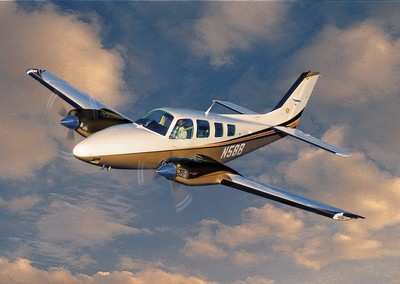
Radar evidence shows that 30 minutes into the flight, after reaching its cruise altitude of 18,000 feet, the Beech Baron's groundspeed decreased sharply. The aircraft began a 'high rate of descent', and after approximately one and a half minutes, disappeared from radar. In transmissions to Air Traffic Control (ATC) the pilot indicated that he had an emergency and was experiencing problems with both engines. “The operation to locate and recover the wreckage from the seabed was challenging,” said Acting Director of Civil Aviation, Chris Ford. “The CAA provided assistance to the Coastguard, Navy and Police to identify the aircraft and help bring it to the surface as part of a multi-agency operation. The level of cooperation was outstanding.”
The aircraft was found on the seabed, about 190 feet below the surface, inverted but largely intact. “Examination of the aircraft’s propellers indicated that they were under little or no power at the time the aircraft impacted the water. The propeller angles were in a position usually associated with a cruise setting.” Ford said. The investigation is continuing and will include further examination and analysis of technical and maintenance history associated with the aircraft; the pilot’s background and experience; analysis of Air Traffic Controller voice recording; weight and balance calculations; flight aerodynamics; regulations relating to foreign aircraft permanently operating in New Zealand.

“Our investigation into the accident continues, and we remain open minded as to the cause or causes. There is still a lot of work to be done," Ford said. “The focus for the safety investigation is to identify lessons that can be learned and applied in order to prevent future accidents."
As the aircraft was of US registry, the CAA has been liaising with the US NTSB and FAA and will continue to do so. The CAA expects its final report into the accident to be released sometime this year.
(Beechcraft Baron pictured in file photo. Not accident aircraft.)
More News
From 2023 (YouTube Edition): Germany’s Best by Way of Florida Established in 1980 by German aerobatic pilot Walter Extra as a means by which to design and develop his own air>[...]
Get The Latest in Aviation News NOW on Instagram Are you on Instagram yet? It's been around for a few years, quietly picking up traction mostly thanks to everybody's new obsession >[...]
“Achieving PMA for the S-1200 Series magnetos is another step in expanding our commitment to providing the aviation community with the most trusted and durable ‘firewal>[...]
Ultralight Vehicle A single-occupant aeronautical vehicle operated for sport or recreational purposes which does not require FAA registration, an airworthiness certificate, or pilo>[...]
Aero Linx: The de Havilland Moth Club Ltd The de Havilland Moth Club evolved from a belief that an association of owners and operators of Moth aeroplanes should be formed to create>[...]



 Classic Aero-TV: Extra; the Airplane, the Man, and His Grand DeLand Plan


 See All