
FreeFlight Systems Introduces FRX-250 Integrated ADS-B | Aero-News Network
Aero-News Network
RSS icon RSS feed
podcast icon MP3 podcast
Subscribe Aero-News e-mail Newsletter Subscribe

Airborne Unlimited -- Most Recent Daily Episodes

Episode Date

Airborne-Monday

Airborne-Tuesday

Airborne-Wednesday Airborne-Thursday

Airborne-Friday

Airborne On YouTube

Airborne-SpecialEpisode-12.15.25

AirborneNextGen-
12.16.25

Airborne-Unlimited-12.10.25

Airborne-AffordableFlyers-12.11.25

AirborneUnlimited-12.12.25

AFE 2025 LIVE MOSAIC Town Hall (Archived): www.airborne-live.net

Wed, Oct 22, 2014

FreeFlight Systems Introduces FRX-250 Integrated ADS-B

Position Source, FIS-B Receiver For Part 25 Business Aircraft

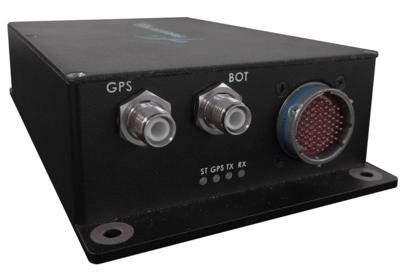
FreeFlight Systems has introduced the FRX-250 system for Part 25 aircraft, integrating an ADS-B In FIS-B weather data receiver and a certified GPS/GNSS ADS-B position source in a compact unit. When paired with an approved ADS-B transponder the FRX-250 is a highly cost-effective way to add NextGen compliance to Part 25 aircraft.

The FRX-250 combines the FreeFlight Systems certified RANGR ADS-B In receiver and its 1203C WAAS/GPS sensors currently installed in business and commercial transport aircraft worldwide. In U.S. airspace, the ADS-B In receiver enables FIS-B subscription-free NEXRAD and textual weather data for use on existing aircraft displays or wirelessly via FreeFlight’s FWF-125 Serial to Wifi for Personal Electronic Device display.

As a position source approved for all ICAO jurisdictions, the integrated 15-channel GPS/GNSS sensor is the foundation for a range of advanced capabilities for CPDLC, TAWS/FMS and RNP 0.3 operations. It also is part of a fully rule-compliant ADS-B Out system when paired with a compatible ARINC 743A certified transponder.

“The FRX-250 adds multiple, advanced capabilities in an easy-to-install and very cost-effective unit,” said Tim Taylor, CEO of FreeFlight Systems. “It’s also part of a growing line of ADS-B solutions that meet the unique performance, regulatory, installation and cost requirements of Part 25 operators.”

Less than 5 x 9 x 2 inches in size and weighing under 2 lbs, the unit is housed in a sealed, environmentally robust package (ARINC 743A Alternative Mounting Scheme) allowing it to be located either in the aircraft equipment bay or close to antenna locations to minimize cabling costs.

(Image provided by FreeFlight Systems)

FMI: www.freeflightsystems.com

Advertisement

More News

Aero-News: Quote of the Day (12.18.25)

“These new aircraft strengthen our ability to respond quickly, train effectively and support communities nationwide. Textron Aviation has been a steadfast supporter in helpin>[...]

Classic Aero-TV: Viking Twin Otter 400--Bringing the DHC-6 Back Into Production

From 2011 (YouTube Edition): Rugged, Legendary, STOL Twin Makes A Comeback The de Havilland Twin Otter is an airplane with a long history, and it gained a reputation as a workhorse>[...]

NTSB Final Report: Rans Employee Flying Club Rans S-6ES Coyote II

A Wind Gust Lifted The Right Wing And The Airplane Turned To The Left Analysis: The pilot was departing from a 2,395-ft-long by 50-ft-wide turf runway. The pilot reported that afte>[...]

ANN FAQ: Submit a News Story!

Have A Story That NEEDS To Be Featured On Aero-News? Here’s How To Submit A Story To Our Team Some of the greatest new stories ANN has ever covered have been submitted by our>[...]

ANN's Daily Aero-Term (12.18.25): Braking Action Advisories

Braking Action Advisories When tower controllers receive runway braking action reports which include the terms “medium," “poor," or “nil," or whenever weather con>[...]

blog comments powered by Disqus



Advertisement

Advertisement

Podcasts

Advertisement

© 2007 - 2025 Web Development & Design by Pauli Systems, LC

