

Embry-Riddle Introduces UAS Bachelor’s Degree | Aero-News Network
Aero-News Network
RSS icon RSS feed
podcast icon MP3 podcast
Subscribe Aero-News e-mail Newsletter Subscribe

Airborne Unlimited -- Most Recent Daily Episodes

Episode Date

Airborne-Monday

Airborne-Tuesday

Airborne-Wednesday Airborne-Thursday

Airborne-Friday

Airborne On YouTube

Airborne-SpecialEpisode-12.15.25

AirborneNextGen-
12.16.25

Airborne-Unlimited-12.10.25

Airborne-AffordableFlyers-12.11.25

AirborneUnlimited-12.12.25

AFE 2025 LIVE MOSAIC Town Hall (Archived): www.airborne-live.net

Wed, Jun 22, 2011

Embry-Riddle Introduces UAS Bachelor’s Degree

Pilot, Non-Pilot Tracks Cover All Aspects Of UAS Operations

Embry-Riddle Aeronautical University’s Daytona Beach campus will launch a B.S. in Unmanned Aircraft Systems (UAS) Science degree program in the Fall 2011 semester. Open to U.S. citizens who have a basic background in math and physics, this new program is designed to help meet the growing demand for skilled UAS pilots and operators.

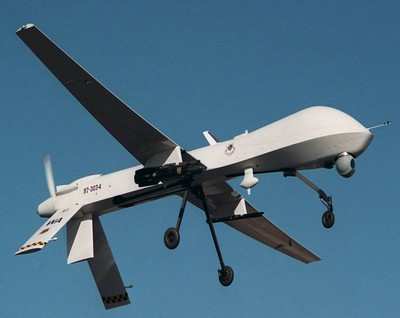
Unmanned aircraft are becoming crucial tools for fire-fighting, disaster relief, law enforcement, and military expeditions, among others, mainly because they keep pilots out of harm’s way while allowing those pilots to perform as well as they would if they were inside the cockpit. Ted Beneigh, professor of aeronautical science and program coordinator of the new degree, said, “Embry-Riddle stands ready to provide educated,well-qualified personnel to this new and important field that promises to revolutionize aviation.”

The B.S. in Unmanned Aircraft Systems Science will focus on the operations aspect of UAS, preparing students for such roles as pilot, observer, sensor operator, or operations administrator. The program offers two tracks – the pilot track is for students who are interested in flight operations from the pilot’s perspective, while the non-pilot track is for students seeking a career as a sensor operator or a support position. 

Both tracks will cover basic engineering topics, hazardous and long-duration operations, international airspace, and regulatory restrictions in the United States.

FMI: www.erau.edu

Advertisement

More News

Aero-News: Quote of the Day (12.18.25)

“These new aircraft strengthen our ability to respond quickly, train effectively and support communities nationwide. Textron Aviation has been a steadfast supporter in helpin>[...]

Classic Aero-TV: Viking Twin Otter 400--Bringing the DHC-6 Back Into Production

From 2011 (YouTube Edition): Rugged, Legendary, STOL Twin Makes A Comeback The de Havilland Twin Otter is an airplane with a long history, and it gained a reputation as a workhorse>[...]

NTSB Final Report: Rans Employee Flying Club Rans S-6ES Coyote II

A Wind Gust Lifted The Right Wing And The Airplane Turned To The Left Analysis: The pilot was departing from a 2,395-ft-long by 50-ft-wide turf runway. The pilot reported that afte>[...]

ANN FAQ: Submit a News Story!

Have A Story That NEEDS To Be Featured On Aero-News? Here’s How To Submit A Story To Our Team Some of the greatest new stories ANN has ever covered have been submitted by our>[...]

ANN's Daily Aero-Term (12.18.25): Braking Action Advisories

Braking Action Advisories When tower controllers receive runway braking action reports which include the terms “medium," “poor," or “nil," or whenever weather con>[...]

blog comments powered by Disqus



Advertisement

Advertisement

Podcasts

Advertisement

© 2007 - 2025 Web Development & Design by Pauli Systems, LC

