Interim Rules Allow UAVs Up To 25 Pounds For Some Public Safety Agencies
For more than five decades, the Federal Aviation Administration (FAA) has compiled a proven track record of introducing new technology and aircraft safely into the National Airspace System (NAS).

Most recently, the agency has been working to ensure the safe integration of unmanned aircraft systems (UAS) in the NAS. The FAA's sole mission and authority as it focuses on the integration of unmanned aircraft systems is safety. Already, the agency has achieved the first unmanned aircraft systems milestone included in the 2012 FAA reauthorization – streamlining the process for public agencies to safely fly UAS in the nation’s airspace.
Federal, state and local government entities must obtain an FAA Certificate of Waiver or Authorization (COA) before flying UAS in the NAS. Now, under the FAA Reauthorization bill, the agency must to find a way to expedite that COA process within 90 days of enactment, which is May 14, 2012. The FAA has been working with its government partners to streamline COA procedures as part of the effort to ensure UAS are safely integrated into the NAS. In 2009, the FAA, NASA and the Departments of Defense and Homeland Security formed a UAS Executive Committee, or “ExCom” to address UAS integration issues. The ExCom established a working group that developed suggestions to expedite the COA process and increase transparency into those activities. The FAA implemented recommendations, including establishing metrics for tracking COAs throughout the process and improving the on-time rate for granting an authorization.
The agency also developed an automated, web-based process to streamline steps and ensure a COA application is complete and ready for review. The agency already has expedited procedures in place to grant one-time COAs for time-sensitive emergency missions such as disaster relief and humanitarian efforts.
Starting on March 29, 2012 the FAA introduced another improvement by changing the length of authorization from the current 12-month period to 24 months. If the FAA disapproves a COA, the agency quickly addresses questions from the applicant and tries to provide alternative solutions that will lead to approval.
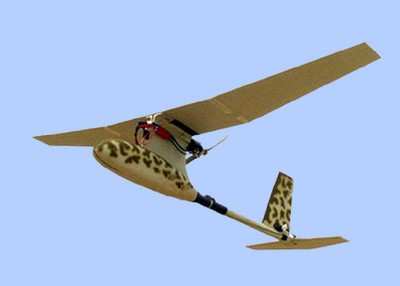
Another part of the reauthorization bill directed the FAA to “allow a government public safety agency to operate unmanned aircraft weighing 4.4 pounds or less” under certain restrictions. The bill further specifies these UAS must be flown within the line of sight of the operator, less than 400 feet above the ground, during daylight conditions, inside Class G (uncontrolled) airspace and more than five miles from any airport or other location with aviation activities. The FAA and the Department of Justice’s National Institute of Justice have established an agreement that meets the congressional mandate. Initially, law enforcement organizations will receive a COA for training and performance evaluation. When the organization has shown proficiency in flying its UAS, it will receive an operational COA. The agreement also expands the allowable UAS weight up to 25 pounds.
The FAA continues to move aggressively toward the safe, timely and efficient integration of UAS into the nation’s air transportation system. In March 2012, the agency created a new UAS Integration office, headed by a single executive, which brings together specialists from the aviation safety and air traffic organizations. The office serves as the FAA’s one-stop portal for all matters related to civil and public use of unmanned aircraft systems in U.S. airspace.
Work for several other important milestones is underway in 2012. The FAA received more than 200 comments after asking for public input on the process for selecting six UAS test sites mandated by Congress. In July, the agency expects to request proposals to manage the test sites in order to make the selections in December. These sites are important because they will provide valuable data to us safely integrate UAS into the nation's airspace by 2015 as required by the 2012 FAA reauthorization. And later this year, the FAA expects to release a proposed rule that will establish policies, procedures and standards for a wide spectrum of users in the small UAS community. This class of UAS will likely experience the greatest near-term growth in civil and commercial operations because of their versatility and relatively low initial cost and operating expenses.



 ANN's Daily Aero-Term (12.13.25): Light Gun


 See All