Wed, Dec 09, 2020
AD 2020-24-07 Retains The Requirements Of AD 2018-26-02 And Adds Calendar Time Compliance Times
The FAA is superseding Airworthiness Directive (AD) 2018-26-02 for Airbus Helicopters (previously Eurocopter France) Model AS350B3, EC130B4, and EC130T2 helicopters. AD 2018-26-02 required inspecting the pilot's and co-pilot's throttle twist for proper operation.
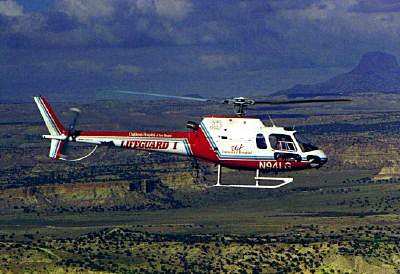
This new AD retains the requirements of AD 2018-26-02 and adds calendar time compliance times for the required actions. This AD was prompted by a public comment that prompted additional review. The actions of this AD are intended to address an unsafe condition on these products. This AD is effective January 12, 2021.
Supplementary Information: The FAA issued a notice of proposed rulemaking (NPRM) to amend 14 CFR part 39 to remove AD 2018-26-02, Amendment 39-19532 (83 FR 66093, December 26, 2018) (AD 2018-26-02), and add a new AD. AD 2018-26-02 applied to Airbus Helicopters Model AS350B3 and EC130B4 helicopters with an ARRIEL 2B1 engine with the two-channel Full Authority Digital Engine Control (FADEC) and with new twist grip modification (MOD) 073254 (for Model AS350B3 helicopters) or MOD 073773 (for Model EC130B4 helicopters) installed, and Model AS350B3 and EC130T2 helicopters with an ARRIEL 2D engine installed. The NPRM published in the Federal Register on June 11, 2020 (85 FR 35604). The NPRM proposed to retain the inspection requirements of AD 2018-26-02 and include inspecting the wiring, performing an insulation test, inspecting the pilot and copilot throttle twist grip controls, and testing the pilot and copilot throttle twist grip controls for proper functioning. The NPRM also proposed to include calendar
compliance times for the repetitive inspections at intervals depending on operating conditions.
AD 2018-26-02 was prompted by EASA AD No. 2017-0059, dated April 6, 2017, issued by EASA, which is the Technical Agent for the Member States of the European Union. EASA advised that the switches in the engine “IDLE” or “FLIGHT” control system could be affected by the corrosive effects of a salt-laden atmosphere, which could lead to engine power loss. EASA advised that this condition, if not detected and corrected, could, in case of failure of the other switch, prevent the pilot from switching from “IDLE” to “FLIGHT” mode during training of autorotation landing, making aborting the autorotation impossible, resulting in unintended touchdown.
More News
“This vote sends an undeniable message to Air Transat management: We are unified, resolute, and have earned a contract that reflects today’s industry standards, not the>[...]
Aero Linx: Beech Aero Club The Beech Aero Club (BAC) is the international type club for owners and pilots of the Beech Musketeer aircraft and its derivatives, the Sport, Super, Sun>[...]
While Landing In The River, The Extended Landing Gear Contacted The Water And The Airplane Nosed Over, Resulting In Substantial Damage Analysis: The pilot of the amphibious airplan>[...]
From 2022 (YouTube Edition): Carrying the Legacy of The B-29 For Generations to Come We had a chance to chat with the Executive Director of B-29 Doc, Josh Wells, during their stop >[...]
Also: Cosmonaut Kicked Out, Airbus Scales Back, AF Silver Star, Russian A-60 Clobbered A Samaritan’s Purse humanitarian flight was hijacked on Tuesday, December 2, while atte>[...]



 Aero-News: Quote of the Day (12.07.25)


 See All