Mon, Feb 10, 2003
Will Provide Critical Standby Equipment
 Sikorsky Aircraft Company has given Charlotte-based Goodrich
Corporation the nod for a long-term contract to provide an
Electronic Standby Instrument System for the U.S. Army's fleet of
over 1,200 Black Hawk aircraft. The addition of this equipment is
part of an upgrade of the fleet to the UH-60M helicopter and will
also include Goodrich's Emergency Power Supply and Stormscope
lightning detection system.
Sikorsky Aircraft Company has given Charlotte-based Goodrich
Corporation the nod for a long-term contract to provide an
Electronic Standby Instrument System for the U.S. Army's fleet of
over 1,200 Black Hawk aircraft. The addition of this equipment is
part of an upgrade of the fleet to the UH-60M helicopter and will
also include Goodrich's Emergency Power Supply and Stormscope
lightning detection system.
What To Do When The Lights Go Out
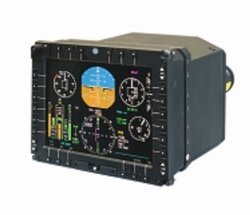
The Electronic Standby Instrument System (ESIS) GH-3001 combines
all critical flight cues -- attitude, altitude, airspeed and
heading -- in one 3" display. It visually matches the look and
format of the aircraft's Primary Multi-Function Display (MFD). The
ESIS GH-3001 uses a full-color, active matrix liquid crystal
display that allows for readability in direct sunlight as well as
in dark cockpit environments. The multi-function display also
allows for clear off-axis viewing and anti-aliasing of graphics
with clear readouts at any attitude as well as Night Vision Goggle
(NVG) compatibility.

In the event of an electrical failure, the Goodrich Emergency
Power Supply model PS-855C is capable of supplying power to the
ESIS GH-3001, with surplus power output available to run additional
emergency equipment if tied into the emergency bus. The Emergency
Power Supply is designed to withstand rigorous operating
requirements, including resistance to thermal shock and high charge
and discharge rates, and is designed to require minimal
maintenance.
Keeping An Eye On Weather
 Displaying lightning information at ranges out to
200 nmi, the Stormscope WX-500 is designed to interface directly
with the Collins MultiFunction Display. Operating in a passive
detection mode, the Stormscope locates thunderstorm activity by
analyzing the radiated signals of electrical discharges from storm
cells. Its ability to determine both azimuth and range is made
possible through complex algorithms. These provide the reference
information for the Stormscope to analyze the unique
characteristics of the signals, their strength and their varying
rates of recurrence. This information is then processed to
determine the location and intensity of dangerous thunderstorm
cells.
Displaying lightning information at ranges out to
200 nmi, the Stormscope WX-500 is designed to interface directly
with the Collins MultiFunction Display. Operating in a passive
detection mode, the Stormscope locates thunderstorm activity by
analyzing the radiated signals of electrical discharges from storm
cells. Its ability to determine both azimuth and range is made
possible through complex algorithms. These provide the reference
information for the Stormscope to analyze the unique
characteristics of the signals, their strength and their varying
rates of recurrence. This information is then processed to
determine the location and intensity of dangerous thunderstorm
cells.
More News
“This vote sends an undeniable message to Air Transat management: We are unified, resolute, and have earned a contract that reflects today’s industry standards, not the>[...]
Aero Linx: Beech Aero Club The Beech Aero Club (BAC) is the international type club for owners and pilots of the Beech Musketeer aircraft and its derivatives, the Sport, Super, Sun>[...]
While Landing In The River, The Extended Landing Gear Contacted The Water And The Airplane Nosed Over, Resulting In Substantial Damage Analysis: The pilot of the amphibious airplan>[...]
From 2022 (YouTube Edition): Carrying the Legacy of The B-29 For Generations to Come We had a chance to chat with the Executive Director of B-29 Doc, Josh Wells, during their stop >[...]
Also: Cosmonaut Kicked Out, Airbus Scales Back, AF Silver Star, Russian A-60 Clobbered A Samaritan’s Purse humanitarian flight was hijacked on Tuesday, December 2, while atte>[...]



 Aero-News: Quote of the Day (12.07.25)


 See All