Last Seven Years Have Brought New Restrictions On Private
Pilots
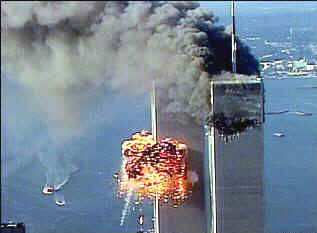 In the wake of the September 11, 2001, tragedy, general
aviation security was immediately thrust into scrutiny. The
Aircraft Owners and Pilots Association says it worked with the
pilot community, and the federal government, in implementing
numerous security measures in response, even though general
aviation had no role in the events that morning.
In the wake of the September 11, 2001, tragedy, general
aviation security was immediately thrust into scrutiny. The
Aircraft Owners and Pilots Association says it worked with the
pilot community, and the federal government, in implementing
numerous security measures in response, even though general
aviation had no role in the events that morning.
"AOPA and the pilot community have worked hard during the past
seven years to increase general aviation security," said AOPA
President Phil Boyer. "General aviation is more secure, in large
part, because the pilot community has a vested interest in
protecting their aircraft and airports."
Last week, Department of Homeland Security (DHS) Secretary
Michael Chertoff recognized the importance of such efforts.
"The fact is that government, the federal government or the
state government, does not need to order people to protect assets
when the people themselves place great value on the assets," said
Chertoff, during his speech at the Brookings Institution.
Pilots' investment in aviation is the foundation of AOPA's
Airport Watch Program, which has been tremendously successful.
Through the program, pilots secure their aircraft and watch for and
report suspicious activity at their airports through a toll-free
hotline (866/GA-SECURE).
AOPA has also been at the forefront advocating for a reasonable
approach anytime security measures are proposed. The association
has also dispelled common myths that general aviation airplanes
pose a threat to national security.
For example, AOPA commissioned a report by an internationally
recognized nuclear safety and security expert to directly address
concerns about any potential risk posed by general aviation
aircraft to nuclear power plants. Since then, the government has
agreed that general aviation poses no threat to nuclear power
plants.
While AOPA has led and worked hard for industry initiatives that
support voluntary security standards, there have been times that
the government stepped in and made regulations.
AOPA worked with the FAA and Transportation Security
Administration on the process for student pilot background checks
while fighting attempts at the state level that would have
duplicated that effort and made it prohibitive for new students to
become pilots.
Another broad-reaching change since 9/11 is the requirement that
pilots carry government-issued ID at all times on board the
aircraft. Additionally, 75 percent of active pilots have already
switched to plastic, more counterfeit-resistant pilot
certificates.
To the dismay of many pilots, temporary flight restrictions
(TFRs) that were issued sparingly before 9/11 now abound. Though
AOPA says it has been successful in preventing unnecessary TFRs,
the association still stays busy in notifying the pilot community
anytime the FAA releases security TFRs that protect the president
and any other special security events.
"We've made a lot of progress since 9/11," Boyer said. "But
pilots cannot become lax. We always need to be looking out for our
aircraft and airports."



 Aero-News: Quote of the Day (12.09.25)


 See All