Futuristic Seaplane Reportedly Faces Bureaucratic Ambivalence, Difficulty
The Privateer Amphibian, a clean-sheet design made to improve amphibious aircraft for enhanced safety on and off the water, has seen delays in its flight testing program owing to a number of bureaucratic requirements and agency decisions that have led to an exasperated crew and increasing costs of compliance for the fledgling company.
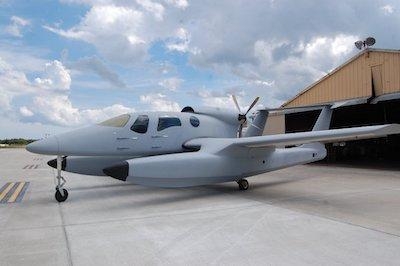
The Amphibian came into being by entrepreneur and inventor John Meekins' quest to purchase a modern seaplane for his waterfront property. After test flying several aircraft, he found each to have some measure of compromise in safety or performance unsuited to the modern era. Many seaplanes are little more than a standard aircraft with large floats attached in place of their traditional landing gear, the market for purpose-built "flying boats" long gone from the aviation industry. Meekins saw a niche unserved by current offerings, embarking on the Amphibian with retired Boeing Configuration and Structures engineer Bill Husa to design a suitable prototype.
The Amphibian boasts a low center of gravity, vital for operation in wavy, unstable waters to prevent flipping in adverse conditions.
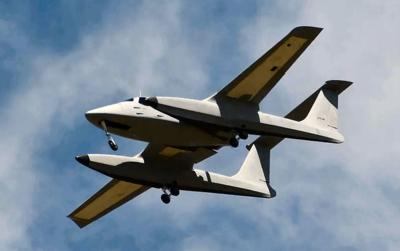
The hull layout is sleek and steerable, designed to stabilize the plane during its takeoff and landing roll, while its encased engines and smooth undercarriage were found to be so stable the test plane could land on snow or grass with the gear up. The design is promising, bringing together a series of domestic producers and firms to create the test aircraft in 2018. Throughout 2020 and beyond, however, Privateer has faced considerable trouble in their dealings with the local FAA Orlando Office.
Meekins briefed investors in a short memo, detailing the delays experienced in the aircraft's testing regimen. Beginning after their Airworthiness Certificate was granted in 2018, they conducted 20+ successful test flights and racked up 27 hours in the air. As the cert reached expiration in 2019, the FAA notified the company that it was granted in the wrong category and demanded the company start the process from scratch in order to receive another temporary one. The company complied, and began working with the Manufacturing Inspection District Office, only to be told they would require Privateer to make an Aircraft Inspection Program (AIP) for their prototype. "We felt this to be an onerous requirement simply because this aircraft is a one-of-a-kind proof of concept prototype that is in reality still being developed. We subsequently contracted, at considerable expense, with a company that specializes in composing FAA approved manuals," said Meekins.
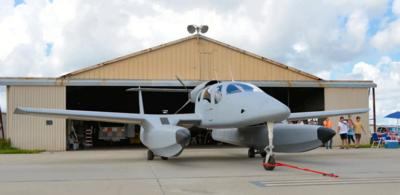
That issue saw the company through 2019, when the travails of 2020 began writ large, and the FAA's mechanisms appeared to grind to a halt. Privateer followed the requirements, noting the futility of creating a large body of manuals and procedures for an aircraft that will likely change by the week as it is developed. "We have been required to detail and document every minute detail of this aircraft and create a maintenance program for many years in the future, although this aircraft has a very limited lifespan and will have many differences in its final form. These overly burdensome requirements have cost us a great deal of time and money, yet we have attempted to comply," Meekins said. Now, the company is asking for input from its supporters on where to turn next, pondering whether the process would be better done by a larger or more experienced flight test specialist.
Meekins is looking for solutions, saying in closing: "We still hold out hope that we can prevail but also have come to the realization that we may need to look elsewhere for assistance in completing our flight test program to prove the viability of this revolutionary aircraft."



 ANN's Daily Aero-Term (12.13.25): Light Gun


 See All