
AFGSC Begins Retirement Of B-1 Aircraft, Paving Way For B-21 | Aero-News Network
Aero-News Network
RSS icon RSS feed
podcast icon MP3 podcast
Subscribe Aero-News e-mail Newsletter Subscribe

Airborne Unlimited -- Most Recent Daily Episodes

Episode Date

Airborne-Monday

Airborne-Tuesday

Airborne-Wednesday Airborne-Thursday

Airborne-Friday

Airborne On YouTube

Airborne-Unlimited-12.01.25

AirborneNextGen-
11.18.25

Airborne-Unlimited-11.19.25

Airborne-AffordableFlyers-11.20.25

AirborneUnlimited-11.21.25

LIVE MOSAIC Town Hall (Archived): www.airborne-live.net

Sat, Feb 20, 2021

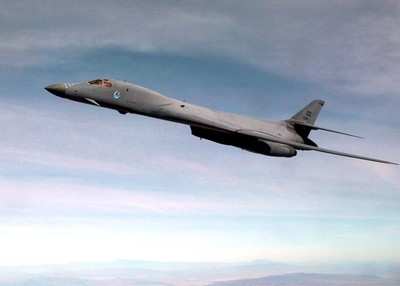
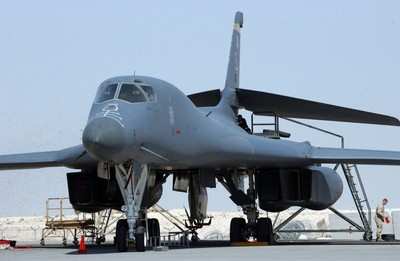
AFGSC Begins Retirement Of B-1 Aircraft, Paving Way For B-21

17 B-1B Aircraft Will Be Retired From The Current Fleet Of 62 B-1s

In support of its efforts to modernize America’s bomber fleet, the Air Force will begin divesting 17 B-1B Lancers from its current fleet as authorized by the National Defense Authorization Act.

This action will not affect the service’s lethality or any associated maintenance manpower. It will allow officials to focus maintenance and depot-level manpower on the remaining aircraft, increasing readiness and paving the way for the bomber fleet modernization ready to meet future challenges.

“Beginning to retire legacy bombers, to make way for the B-21 Raider, is something we have been working toward for some time,” said Gen. Timothy Ray, commander of Air Force Global Strike Command. “Due to the wear and tear placed on the B-1 fleet over the past two decades, maintaining these bombers would cost tens of millions of dollars per aircraft to get back to status quo. And that’s just to fix the problems we know about. We’re just accelerating planned retirements.”

The 17 B-1B aircraft will be retired from the current fleet of 62 B-1s, leaving 45 in the active fleet. Of the 17 B-1 aircraft, four will be required to remain in a reclaimable condition that is consistent with Type 2000 recallable storage.

Continuous combat operations over the last 20 years have taken a toll on the airframe’s structure. Currently, a small portion of the B-1Bs are in a state that will require approximately ten to thirty million dollars per aircraft to get back to a status quo fleet in the short term until the B-21 comes online.

“Retiring aircraft with the least amount of usable life allows us to prioritize the health of the fleet and crew training,” Ray said. “Our ability to balance these priorities will make us more capable and lethal overall.”

With fewer aircraft in the B-1 fleet, maintainers will be able to give more time and attention to each aircraft.

“The divestiture of the B-1 is necessary in order for the Air Force to create an even more lethal, agile and sustainable force with a greater competitive edge for tomorrow’s fight,” Ray said.

FMI: www.af.mil

Advertisement

More News

ANN's Daily Aero-Term (11.29.25): Waypoint

Waypoint A predetermined geographical position used for route/instrument approach definition, progress reports, published VFR routes, visual reporting points or points for transiti>[...]

ANN's Daily Aero-Linx (11.29.25)

Aero Linx: Sentimental Journey to Cub Haven Sentimental Journey Flyin began in 1986 with a group of dedicated volunteers working to provide a sentimental return to Lock Haven, the >[...]

NTSB Prelim: Jabiru USA Sport Aircraft LLC J230-SP

The Pilot Would Often Fly Over Their House At A Low Altitude And That Family Members Would Go Outside To Wave On November 14, 2025, at 1708 eastern standard time, a Jabiru USA Spor>[...]

Classic Aero-TV: Crafting The Future of eVTOL Infrastructure

From 2024 (YouTube Edition): Volatus Infrastructure Paves The Way The name “Volatus” seems to be everywhere these days, popping up in a series of partnerships and proje>[...]

Klyde Morris (11.28.25)

Fortnite Conquers All, Klyde FMI: www.klydemorris.com>[...]

blog comments powered by Disqus



Advertisement

Advertisement

Podcasts

Advertisement

© 2007 - 2025 Web Development & Design by Pauli Systems, LC

