Latest Model Is The Twin-Engine Ultralight MultiCruiser
Hummel Aircraft has been building its all-metal light sport and ultralight aircraft since the early 1980s when James Morris “Morry” Hummel built and for his first aircraft, what became known as the Hummelbird. After a long career in aviation manufacturing and engineering, Morry’s innovations and the company’s technical advancements have provided kit-built aircraft for homebuilders and enthusiasts for over four decades.
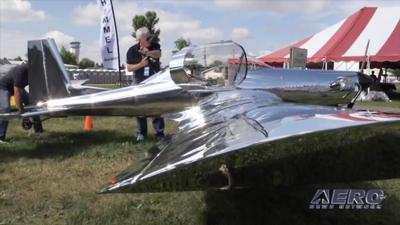
Hummel’s passion for flight and love of hands-on craftsmanship led to the first Hummelbird, with its compact, efficient, and rugged singleseat design that have carried through to the company’s other models. Morry’s designs emphasized simplicity, affordability, and performance, features that still define the Hummel brand today.
Currently, the Hummel lineup includes three main models: the UltraCruiser, the H5, and the just-introduced MultiCruiser. All are designed for ease of construction, low operating costs, and excellent handling. Morry designed the UltraCruiser Classic in 1999 and it was introduced in 2000. It is one of the few all-metal aircraft that is compliant with FAA Part 103 Ultralight regulations. It does not require the pilot to hold any pilot or medical certificate, and is accessible to a broad range of aviation hobbyists. Its maximum gross weight is 575 lbs and is powered by a ½ VW engine – that’s right, a two-cylinder modification of the standard 4-cylinder powerplant.
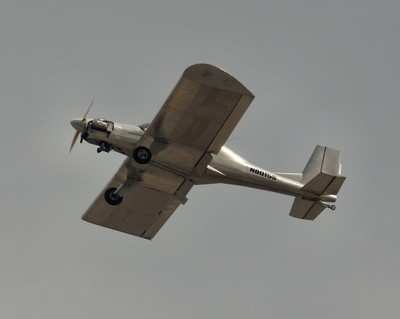
The engine produces 28-45 hp to provide a cruise speed of 63 mph (54 kts) and a takeoff roll of just 150 feet. It will climb between 400-700 ft/min with a stall speed of 28 mph (24 kts), and it is a forgiving yet nimble airplane for recreational flying. In case you were wondering, a ½ VW engine is made by removing the two rear cylinders and either cutting the crankcase to remove the back half, or using the entire crankcase and simply covering or plugging the rear cylinder openings. To maintain the engine’s balance, the crankshaft and camshaft also need to be modified to operate on two cylinders.
At a max gross weight of 850 lb, the H5 is a larger and more powerful variant based on the UltraCruiser but modified to be in the light sport category, requiring FAA registration and compliance with airworthiness standards. Pilots must possess an appropriate pilot and medical certificate or Basic Med, and the builder must perform at least 51% of the construction. The airplane is roomier and can accommodate pilots up to 6’5” in height and up to 300 lbs. 23The H5 is powered by a full 4-cylinder VW-based engine that will generate 60-85 hp delivering a cruise speed of 100130 mph (87-113 kts) on a takeoff roll of 300 feet. It will climb assertively between 800-1200 ft/min with a stall speed of 42 mph (36 kts).
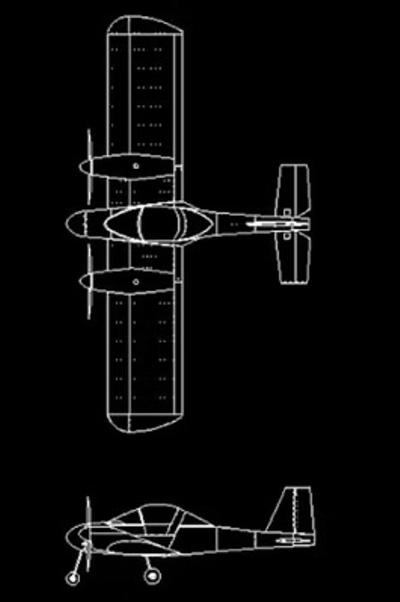
Hummel’s latest innovation that represents an expansion of its product line is the MultiCruiser, a two-seat, twinengine offering in the Part 103 ultralight category that continues the UltraCruiser’s legacy. Initial test flights are slated for Q42025 and is expected to be available as a ready-to-fly option in the near future. Its maximum gross weight is 550 lbs and currently, the Aero Momentum turbocharged engine is being featured, but additional engine options may become available. Under the new MOSAIC regulations now in effect, sport pilots will be permitted to fly multi-engine airplanes provided they meet the updated LSA standards including a clean stall speed of 59 kts or less.
All Hummel aircraft are constructed of aluminum and offer durability, corrosion resistance, and ease of repair. They are designed to meet the FAA’s 51% rule for amateur-built aircraft, and the company provides detailed plans, full or partial kits, builder support, and access to an enthusiastic community of builders. Hummel Aircraft continues to serve a dedicated community in the experimental aviation segment with its reputation for rugged simplicity, responsiveness, and builder-friendly designs. The company remains committed to making personal flight accessible, affordable, and rewarding.



 Aero-FAQ: Dave Juwel's Aviation Marketing Stories -- ITBOA BNITBOB


 See All