New Engineering Design Challenge Builds On Great Moonbuggy Race
NASA is debuting a new engineering design challenge to engage students worldwide in the next phase of human space exploration. The NASA Human Exploration Rover Challenge is a more complex follow-on to the successful NASA Great Moonbuggy Race. The competition is open to high school and college students and challenges them to create a vehicle designed to traverse the simulated surface of another world. Registration closes Jan. 10, 2014 for international teams and Feb. 7 for U.S. teams.
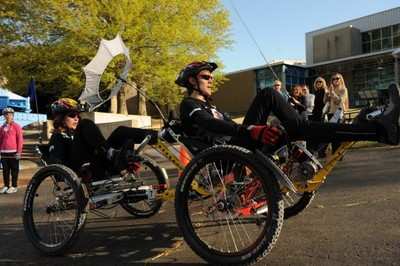
During its 20-year run, the Great Moonbuggy Race engaged more than 10,000 students and demonstrated these budding scientists and engineers were capable of even more complex undertakings. The NASA Human Exploration Rover Challenge will provide that complexity through an authentic engineering experience. The student teams will design, build and test technologies that enable vehicles to perform in a wide variety of environments. Their results and findings will inform the design process for NASA's next generation space systems.
"We designed this engineering challenge to align with NASA's commitment of sending humans to Mars by the 2030s," said Rocky Lind, who manages education and outreach efforts in the Human Exploration and Operations Mission Directorate at NASA Headquarters in Washington. "The student teams will be timed, ranked and scored based on design, safety and how well they traverse the set course. The results of the competition will contribute to the design process for NASA's future exploration goals."
With the agency taking a stepping-stone approach to building capabilities necessary for sending astronauts to Mars, this student design challenge represents a logical next step. It also continues NASA's effort to use the appeal and intrigue of its space missions and programs as catalysts for engaging students in STEM – science, technology, engineering and mathematics.
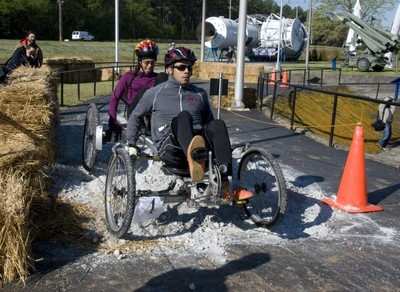
"Students will create their own vehicles to power around a rugged course at the final competition." said Tammy Rowan manager of the academic affairs office at NASA's Marshall Space Flight Center in Huntsville, Ala. "The obstacles around the course will mimic some of the real terrain challenges of solar system exploration, so students must design robust and durable rovers with the traction to scale obstacles and meet other challenges."
The culminating event of the NASA rover competition is scheduled for April 10-12 at the U.S. Space and Rocket in Huntsville, which is home to U.S. Space Camp and serves as the official visitor center for Marshall. Corporate sponsors will award prizes for winning components of the challenge.
The planned course for the competition will require teams to traverse a terrain that includes a simulated field of asteroid debris – boulders from 5-15 inches across; an ancient stream bed with pebbles about 6 inches deep; and erosion ruts and crevasses in varying widths and depths. A full description of the obstacles and qualifications for vehicle designs can be found at the NASA Human Exploration Rover Challenge website listed below.
The NASA Human Exploration Rover Challenge looks to the next generation of scientists and engineers to aid in the design process by providing innovative designs and unique perspectives. It also continues the agency's legacy of providing valuable experience to students who may someday be responsible for future mission planning and crewed space missions to other worlds.
(Moonbuggy race images from file)



 Aero-FAQ: Dave Juwel's Aviation Marketing Stories -- ITBOA BNITBOB


 See All