Thu, Nov 14, 2013
Fuel-Saving Modifications Developed By Engine Maker Rolls-Royce
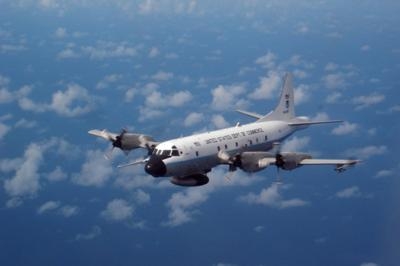
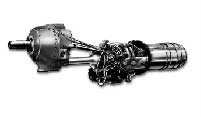
The WP-3D "Hurricane Hunter" aircraft of the National Oceanic and Atmospheric Administration (NOAA) will be the first customer to fly with the fuel-saving T56 Series 3.5 engine enhancement package developed by Rolls-Royce. The engine enhancement package has demonstrated nearly 10 per cent reduction in fuel use during recent flight testing in C-130 aircraft, also powered by Rolls-Royce T56 engines. The enhancement allows T56 engines to operate at significantly lower turbine temperatures, extending parts life and improving reliability by 22 per cent.
The two-year, firm-fixed price contract with NOAA covers standard overhauls plus technology insertion in ten engines for two aircraft and spares. Rolls-Royce will contract with Lockheed Martin, manufacturer of the aircraft, to plan and conduct flight testing of the new enhancement packages, as well as complete engine qualification. The first NOAA WP-3D aircraft with the Series 3.5 enhancements are expected to re-enter service beginning in early 2015.
Tom Bell, Rolls-Royce, President Defense, said, "We are thrilled that the NOAA ‘Hurricane Hunters’ will be the first to fly with our T56 Series 3.5 engine enhancement. As NOAA goes about its crucial mission of keeping the public safe and enriching lives through science, we will work to keep their aircraft flying longer, while conserving fuel and lowering maintenance costs."
"Many hurricane missions are into storms far from home base, so fuel-efficiency and engine reliability are critical," said NOAA Corps Cmdr. Devin Brakob, veteran NOAA Hurricane Hunter and aircraft specialist with the NOAA Office of Marine and Aviation Operation’s Platform Acquisition Division. "The anticipated fuel savings and reliability provided by the Series 3.5 engine enhancement package could mean getting an extra pass through the storm instead of heading back to base."
The highly trained men and women from NOAA fly directly into storms in sensor-packed planes to gather data forecasters need to monitor hurricanes and predict their path. NOAA uses two types of aircraft to gather data on hurricanes-the four-engine Lockheed Martin WP-3D Orion turboprop, and a Gulfstream IV-SP jet, powered by two Rolls-Royce Tay engines. The WP-3D flies at low altitudes in the midst of the storm and collects data on wind speed, temperature, and various other storm characteristics. The Gulfstream IV flies above and around a hurricane to observe the winds and weather conditions around the storm.
The Rolls-Royce Series 3.5 engine enhancement package has completed all requirements for US Air Force qualification on the C-130 and recently received FAA certification for the commercial version of the T56 engine. The US Air Force has estimated that incorporating the engine enhancement into its C-130 fleet would save $2 Billion, while extending the life of the fleet for decades.
The T56 Series 3.5 engine enhancement can be installed as part of a conventional engine overhaul, and does not require any aircraft or engine control system modifications. In addition to the US Air Force and NOAA, international operators of C-130 and P-3 aircraft are also considering incorporating the T56 engine enhancement into their fleets.
(Hurricane Hunter image provided by NOAA. T56 engine image provided by Rolls-Royce))
More News
Light Gun A handheld directional light signaling device which emits a brilliant narrow beam of white, green, or red light as selected by the tower controller. The color and type of>[...]
“We have performed extensive ground testing by comparing warm up times, full power tethered pulls, and overall temperatures in 100 degree environments against other aircraft >[...]
While Taxiing To Parking The Right Landing Gear Leg Collapsed, Resulting In Substantial Damage Analysis: The pilot made a normal approach with full flaps and landed on the runway. >[...]
From 2014 (YouTube Edition): Exotic Rebuild Reveals Aerial Work Of Art During EAA AirVenture 2014, ANN's Michael Maya Charles took the time to get a history lesson about a great ai>[...]
Also: Project Talon, McFarlane Acquisition, Sky-Tec Service, JPL Earth Helo Tests Bombardier has earned a round of applause from the business aviation community, celebrating the fo>[...]



 ANN's Daily Aero-Term (12.13.25): Light Gun


 See All