Thu, Jun 11, 2015
Third Modified Cessna 182 To Enter Service With North Carolina-Based SIM
SIM USA, based in North Carolina and operating in Niger, Africa, recently welcomed its 3rd C182 upgraded with an SMA STC after a 37-hour flight (averaging 9.4 gph) across the Atlantic from Bangor, Maine to Niamey. All three of SIM’s SMA powered C182s have been ferried to Africa by Wings of Eagles and its pilot, Bill Scott.
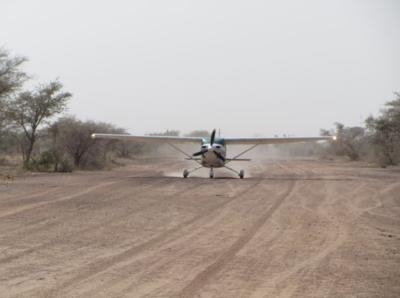
The STC replaces the Continental gasoline engine with an FAA and EASA certified firewall forward SMA aero diesel engine conversion kit. SIM has been operating upgraded C182s since 2007 and has accumulated over 5,400 hours in extremely hot and demanding conditions. Its oldest SMA engine recently reached the certified 2,000hr TBO and is being overhauled at SMA’s Part 145 facility in France. The latest version of the engine is now certified to 2,400 hrs.
Mission Aviation organizations such as SIM are taking advantage of the lower operating cost of their C182s equipped with diesel cycle engines to reach remote communities around the world. Eleven C182s upgraded with the SMA SR305 are operated by various missionary groups to provide lifesaving assistance, being medical, moral or material. “The engine’s low fuel consumption allowed us to extend our range of operation, eliminating the need to plan for expensive refueling, and offering a significant trade off with less fuel to carry more cargo on the longer routes,” mentions Jim Rendel, a pilot/mechanic/coordinator for SIM.
The availability of Avgas is limited in many countries and can be extremely expensive, so the ability to run a diesel engine with Jet A allows uninterrupted and relatively inexpensive operations in many parts of the world. Because of the high cost of Avgas in Niger and the efficiency of the SMA diesel engine, SIM has been able to reduce fuel costs by about 70% when compared to an avgas powered aircraft. The extended engine maintenance intervals of 100 hours also minimize the downtime, which provides a notable benefit when conducting humanitarian missions.
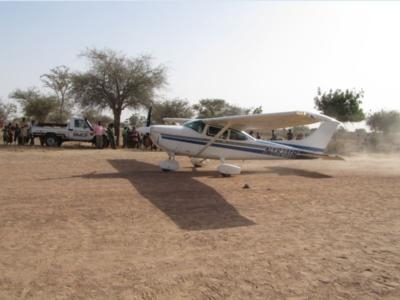
“The absence of the ignition system and the simplicity of the design save money and provide a high level of reliability, which is paramount for operation in Africa’s remote areas. Even in Niger’s high ambient temperature, where one can encounter afternoon temperatures of over 50 degrees centigrade (122ºF), vapor lock is nonexistent and the engine starts are instantaneous? spark plug fouling is obviously never an issue,” adds Jim. Despite its modest facility and remote location, SIM has been able to operate and maintain this relatively new technology in exemplary fashion and plans for many more years of operation.
(Images provided by SMA)
More News
From 2023 (YouTube Edition): "Ain’t Your Daddy’s Super Cub”—Don Wade Co-owned by Don and Ron Wade—the former of Don’s Dream Machines, a storied >[...]
Pilot-Rated Passenger Reported That The Pilot Did Not Adequately “Round Out” The Landing Flare And The Airplane Bounced And Yawed To The Right Analysis: The pilot state>[...]
Dead Reckoning Dead reckoning, as applied to flying, is the navigation of an airplane solely by means of computations based on airspeed, course, heading, wind direction, and speed,>[...]
Aero Linx: Lake Amphibian Club This website is created and sponsored by the Lake Amphibian Club, to help spread the word about these wonderful, versatile amphibians that can land j>[...]
“I am deeply honored to be sworn in as NASA administrator. NASA’s mission is as imperative and urgent as ever — to push the boundaries of human exploration, ignit>[...]



 Classic Aero-TV: In Praise of Alabamas Patriot Aircraft USA


 See All