
Russian Cargo Ship Leaves, Crew Tests Dragon’s Comfort Factors | Aero-News Network
Aero-News Network
RSS icon RSS feed
podcast icon MP3 podcast
Subscribe Aero-News e-mail Newsletter Subscribe

Airborne Unlimited -- Most Recent Daily Episodes

Episode Date

Airborne-Monday

Airborne-Tuesday

Airborne-Wednesday Airborne-Thursday

Airborne-Friday

Airborne On YouTube

Airborne-SpecialEpisode-12.15.25

AirborneNextGen-
12.16.25

Airborne-Unlimited-12.10.25

Airborne-AffordableFlyers-12.11.25

AirborneUnlimited-12.12.25

AFE 2025 LIVE MOSAIC Town Hall (Archived): www.airborne-live.net

Sun, Jul 12, 2020

Russian Cargo Ship Leaves, Crew Tests Dragon’s Comfort Factors

Four Out Of The Five Expedition 63 Crew Members Assessed Comfort Factors

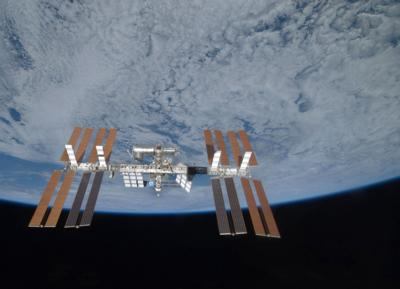
Russia’s Progress 74 (74P) cargo craft departed the International Space Station this week leaving four spaceships from the US, Russia and Japan parked at the orbital lab. It will be replaced in two weeks when the Progress 76 arrives to replenish the crew.

The 74P undocked Wednesday at 2:23 p.m. EDT after seven months attached to the Pirs docking compartment. The trash-packed resupply ship will descend into Earth’s atmosphere above the South Pacific for a fiery but safe demise.

The 76P will take its place when it launches on July 23 at 10:26 a.m. and docks just three-and-a-half hours later to Pirs.

Four out of the five Expedition 63 crew members assessed comfort factors inside the docked SpaceX Crew Dragon later that day. This is a demonstration of the Crew Dragon’s habitability ahead of the SpaceX Crew-1 mission planned for later this year.

NASA astronauts Doug Hurley and Bob Behnken, who piloted the Crew Dragon, will be joined by station Commander Chris Cassidy and Flight Engineer Anatoly Ivanishin for the one-hour habitability test. The crew will arrange the cabin to suit the four space residents and report their comfort levels to engineers on the ground.

While they were setting up Crew Dragon for the test, the three NASA astronauts also had time for ultrasound eye scans, microfluid studies and orbital plumbing work. The two cosmonauts, including Flight Engineer Ivan Vagner, juggled a variety of Russian space research and tested Soyuz crew ship communications gear.

FMI: www.nasa.gov, www.spacex.com

Advertisement

More News

Aero-News: Quote of the Day (12.18.25)

“These new aircraft strengthen our ability to respond quickly, train effectively and support communities nationwide. Textron Aviation has been a steadfast supporter in helpin>[...]

Classic Aero-TV: Viking Twin Otter 400--Bringing the DHC-6 Back Into Production

From 2011 (YouTube Edition): Rugged, Legendary, STOL Twin Makes A Comeback The de Havilland Twin Otter is an airplane with a long history, and it gained a reputation as a workhorse>[...]

NTSB Final Report: Rans Employee Flying Club Rans S-6ES Coyote II

A Wind Gust Lifted The Right Wing And The Airplane Turned To The Left Analysis: The pilot was departing from a 2,395-ft-long by 50-ft-wide turf runway. The pilot reported that afte>[...]

ANN FAQ: Submit a News Story!

Have A Story That NEEDS To Be Featured On Aero-News? Here’s How To Submit A Story To Our Team Some of the greatest new stories ANN has ever covered have been submitted by our>[...]

ANN's Daily Aero-Term (12.18.25): Braking Action Advisories

Braking Action Advisories When tower controllers receive runway braking action reports which include the terms “medium," “poor," or “nil," or whenever weather con>[...]

blog comments powered by Disqus



Advertisement

Advertisement

Podcasts

Advertisement

© 2007 - 2025 Web Development & Design by Pauli Systems, LC

