

Aero-TV At Oshkosh 2010: Heavy Breathing -- Averting An Avoidable Tragedy | Aero-News Network
Aero-News Network
RSS icon RSS feed
podcast icon MP3 podcast
Subscribe Aero-News e-mail Newsletter Subscribe

Airborne Unlimited -- Most Recent Daily Episodes

Episode Date

Airborne-Monday

Airborne-Tuesday

Airborne-Wednesday Airborne-Thursday

Airborne-Friday

Airborne On YouTube

Airborne-Unlimited-12.08.25

AirborneNextGen-
12.02.25

Airborne-Unlimited-12.03.25

Airborne-FltTraining-12.04.25

AirborneUnlimited-12.05.25

AFE 2025 LIVE MOSAIC Town Hall (Archived): www.airborne-live.net

Mon, Aug 09, 2010

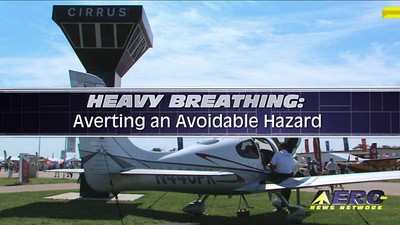
Aero-TV At Oshkosh 2010: Heavy Breathing -- Averting An Avoidable Tragedy

New Cirrus Avionics Capability Designed to Avoid Hypoxia/LOC Accidents

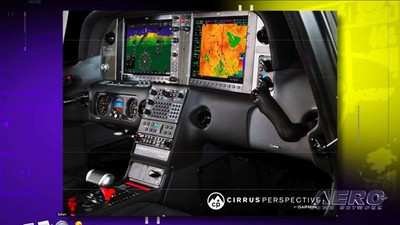
At the 2010 Oshkosh EAA Fly-In, one of the more intriguing announcements involved additional evolutionary changes for the Cirrus Perspective Flight deck. Obviously taking a hint at the many upgrades (and the attention they got for them) pioneered by Avidyne, Cirrus nudged its avionics partners and 'ESP' was borne...

This 'electronic monitoring and exceedance-correcting technology' works to assist the pilot in maintaining his or her aircraft in a safe, flight-stable condition, helping to prevent the onset of stall/spins, overspeeds, steep spirals or other loss-of-control conditions, should the pilot become distracted, disoriented or incapacitated during flight. While a number of other capabilities were introduced, one particular associated offering really caught our attention... especially after having to report a number of tragedies in the last few years where aviators flying unpressurized in the flight levels succumbed to oxygen starvation and lost their lives.

They call it "Automatic Descent Mode" and that means is Hypoxia Protection for GA pilots that has heretofore never been available before. And its damned impressive. Cirrus' Hypoxia Recognition and Recovery system is designed to nudge the pilot, electronically, now and then to make sure that they're alert and capable of exercising their responsibilities as Pilot-In Command by: 

  • Monitor and detect pilot activity , i.e. evidence of conscious pilot
  • Above 15,000’, if no pilot interaction (button press) within certain time interval, system creates an advisory, followed by a caution, followed by a warning to solicit a pilot response
  • If no response, AP will enter ADM, descend to 14,000 and remain level for 4 minutes with warning tone throughout
  • If no response, AP will further descend to 12,500’ and remain
FMI: www.cirrusaircraft.com, www.aero-tv.net, www.youtube.com/aerotvnetwork, http://twitter.com/AeroNews

Advertisement

More News

Aero-FAQ: Dave Juwel's Aviation Marketing Stories -- ITBOA BNITBOB

Dave Juwel's Aviation Marketing Stories ITBOA BNITBOB ... what does that mean? It's not gibberish, it's a lengthy acronym for "In The Business Of Aviation ... But Not In The Busine>[...]

NTSB Prelim: Rutan Long-EZ

The Pilot Attempted Several Times To Restart The Engine And Diverted To Long Beach Airport/Daughtery Field On October 20, 2025, about 1603 Pacific daylight time, an experimental am>[...]

ANN's Daily Aero-Term (12.05.25): Hazardous Weather Information

Hazardous Weather Information Summary of significant meteorological information (SIGMET/WS), convective significant meteorological information (convective SIGMET/WST), urgent pilot>[...]

Aero-News: Quote of the Day (12.05.25)

"The latest development underscores the government of Malaysia’s commitment in providing closure to the families affected by this tragedy..." Source: From statements made by >[...]

Airborne-Flight Training 12.04.25: Ldg Fee Danger, Av Mental Health, PC-7 MKX

Also: IAE Acquires Diamond Trainers, Army Drones, FedEx Pilots Warning, DA62 MPP To Dresden Tech Uni The danger to the flight training industry and our future pilots is clear. Dona>[...]

blog comments powered by Disqus



Advertisement

Advertisement

Podcasts

Advertisement

© 2007 - 2025 Web Development & Design by Pauli Systems, LC

