Tue, Sep 02, 2025
FAA Issued a Safety Redesign of PW4000-112 Turbofans, Due in 2028
Boeing has turned to the FAA for extensions to the PW4000-112 turbofan safety redesign deadline, originally set for March 2028. If the manufacturer gets its way, pushing the cutoff to 2033, most of the already 20-year-old jets will be on their way to the boneyard before changes are made.
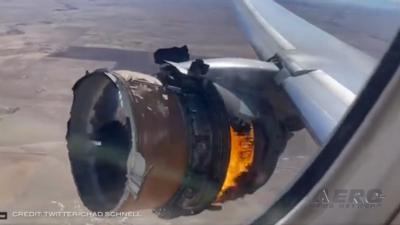
The issue stems from a series of high-profile failures, most memorably United Flight 328 in February 2021. Debris from a PW4000 scattered across Denver suburbs, leaving a vehicle and a home damaged. A similar incident happened in 2018 over the Pacific, and in 2020, which left the Japan Airlines 777 fleet grounded. These concerned the FAA, leading to the requirement for Boeing and Pratt to redesign both engine and nacelle components.
Pratt & Whitney is seeking an exemption from a fan-blade-out testing rule to allow fixes to be phased in without restarting certification. Boeing, on the other hand, says it needs more time for nacelle and inlet redesigns. It claims that the complexity of the work and a lack of available maintenance capacity prevent it from conforming to the FAA’s schedule. Proposed changes include stronger core case fasteners and improved external hardware meant to reduce the risk of fires during blade separation.
The FAA originally granted temporary waivers in 2022 so United and others could return the aircraft to service while waiting for permanent fixes. It required Boeing to submit final designs by March 2027, with full compliance by March 2028. Neither manufacturer has delivered a fully approved design. The FAA said that the latest extension request is complex enough that its review will take longer than the usual 120 days.
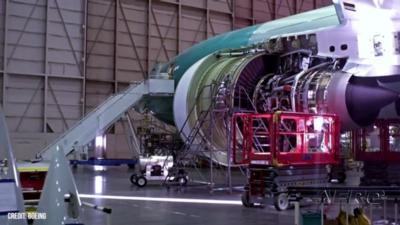
United Airlines operates more than 50 PW4000-powered 777s, giving it clear motivation to support Boeing’s request. The Air Line Pilots Association disagrees, warning that a further delay leaves aircraft exposed to recurring risks. For now, the fleet continues to fly under frequent inspections.
The PW4000-112 was first introduced in the mid-1990s, meaning the engines are already two decades old… plus an extra five years on top of the current deadline. This math suggests the redesigns could outlive the planes they’re meant to protect.
More News
Waypoint A predetermined geographical position used for route/instrument approach definition, progress reports, published VFR routes, visual reporting points or points for transiti>[...]
Aero Linx: Sentimental Journey to Cub Haven Sentimental Journey Flyin began in 1986 with a group of dedicated volunteers working to provide a sentimental return to Lock Haven, the >[...]
The Pilot Would Often Fly Over Their House At A Low Altitude And That Family Members Would Go Outside To Wave On November 14, 2025, at 1708 eastern standard time, a Jabiru USA Spor>[...]
From 2024 (YouTube Edition): Volatus Infrastructure Paves The Way The name “Volatus” seems to be everywhere these days, popping up in a series of partnerships and proje>[...]
Fortnite Conquers All, Klyde FMI: www.klydemorris.com>[...]



 ANN's Daily Aero-Term (11.29.25): Waypoint


 See All